Guide to choosing the right espresso machine & grinder
Choosing espresso equipment becomes much easier once you understand what affects consistency and drink quality. Espresso is sensitive to temperature, pressure, and grind size, so the aim is to build a setup that produces stable results shot after shot. The espresso machine and grinder are the two most important pieces of equipment — if either one is lacking, the quality will drop no matter how good the beans are.
The importance of visual impact
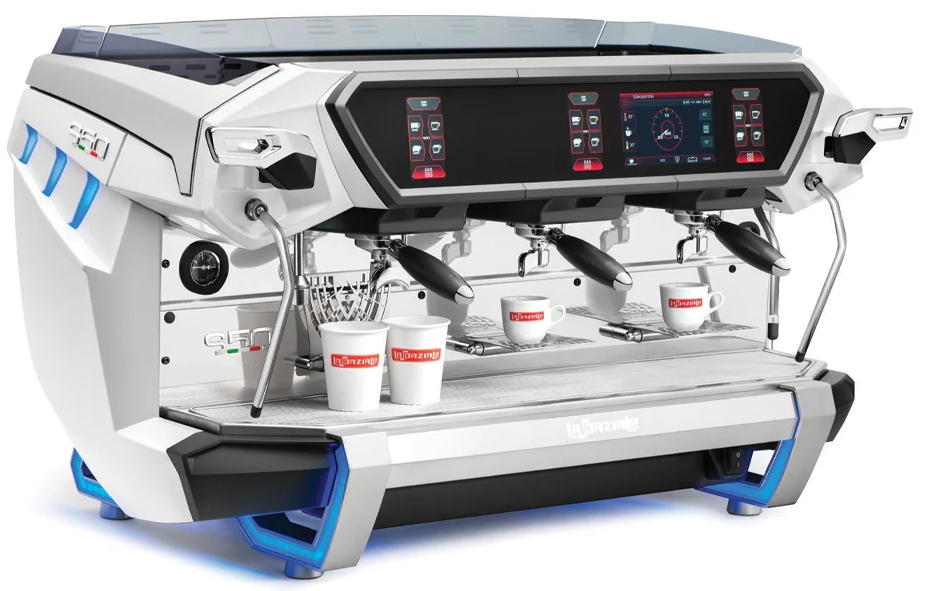
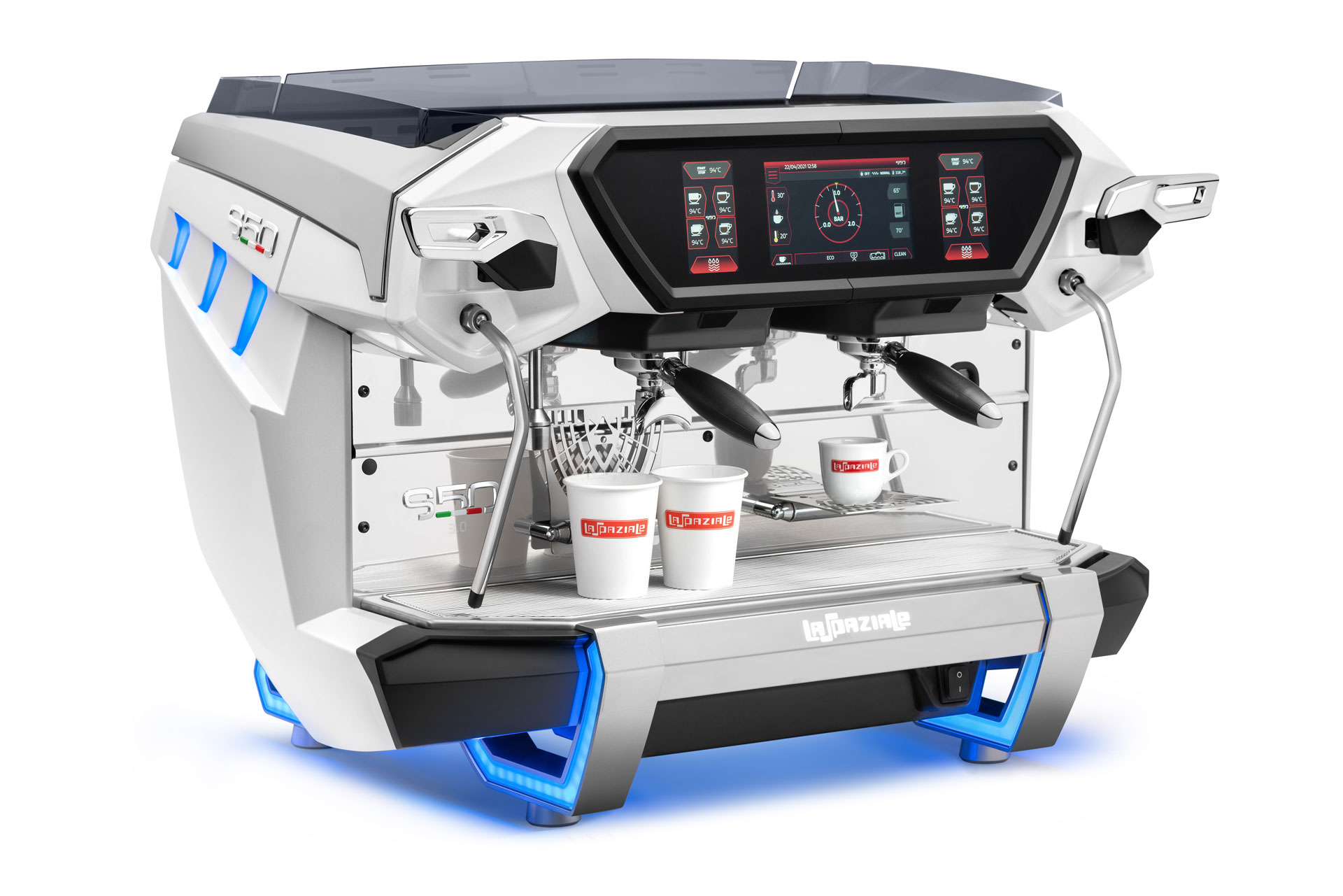
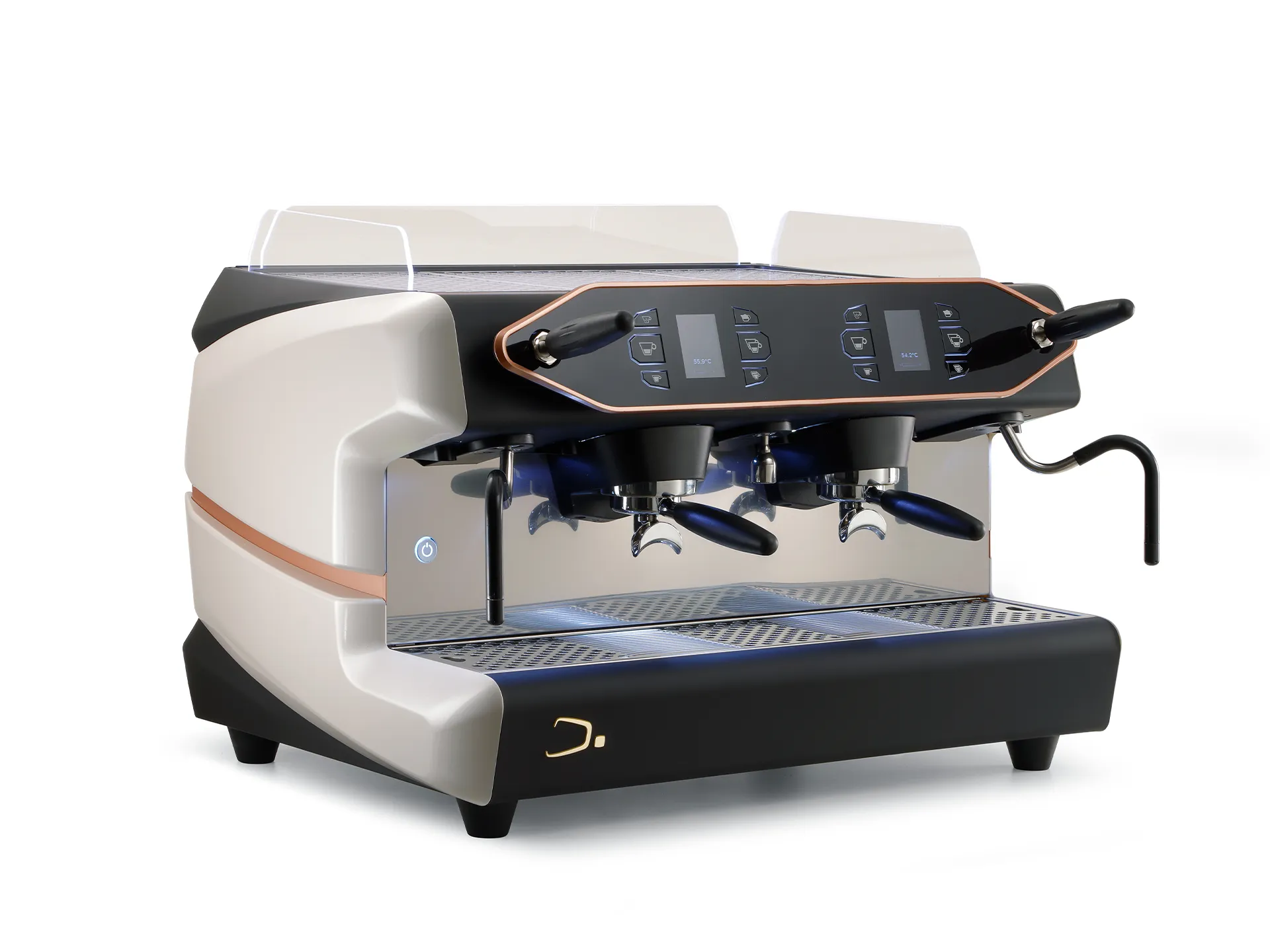
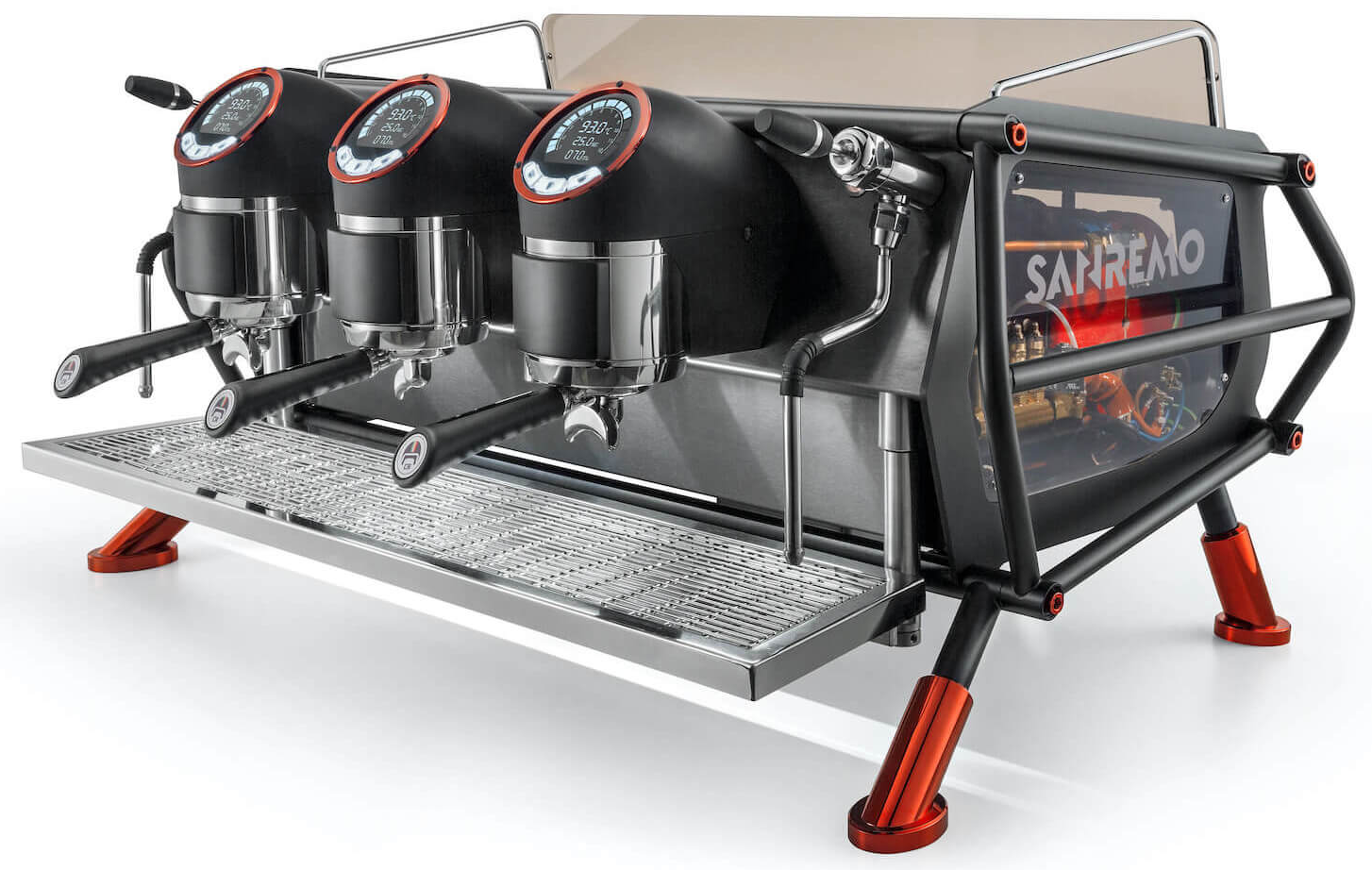
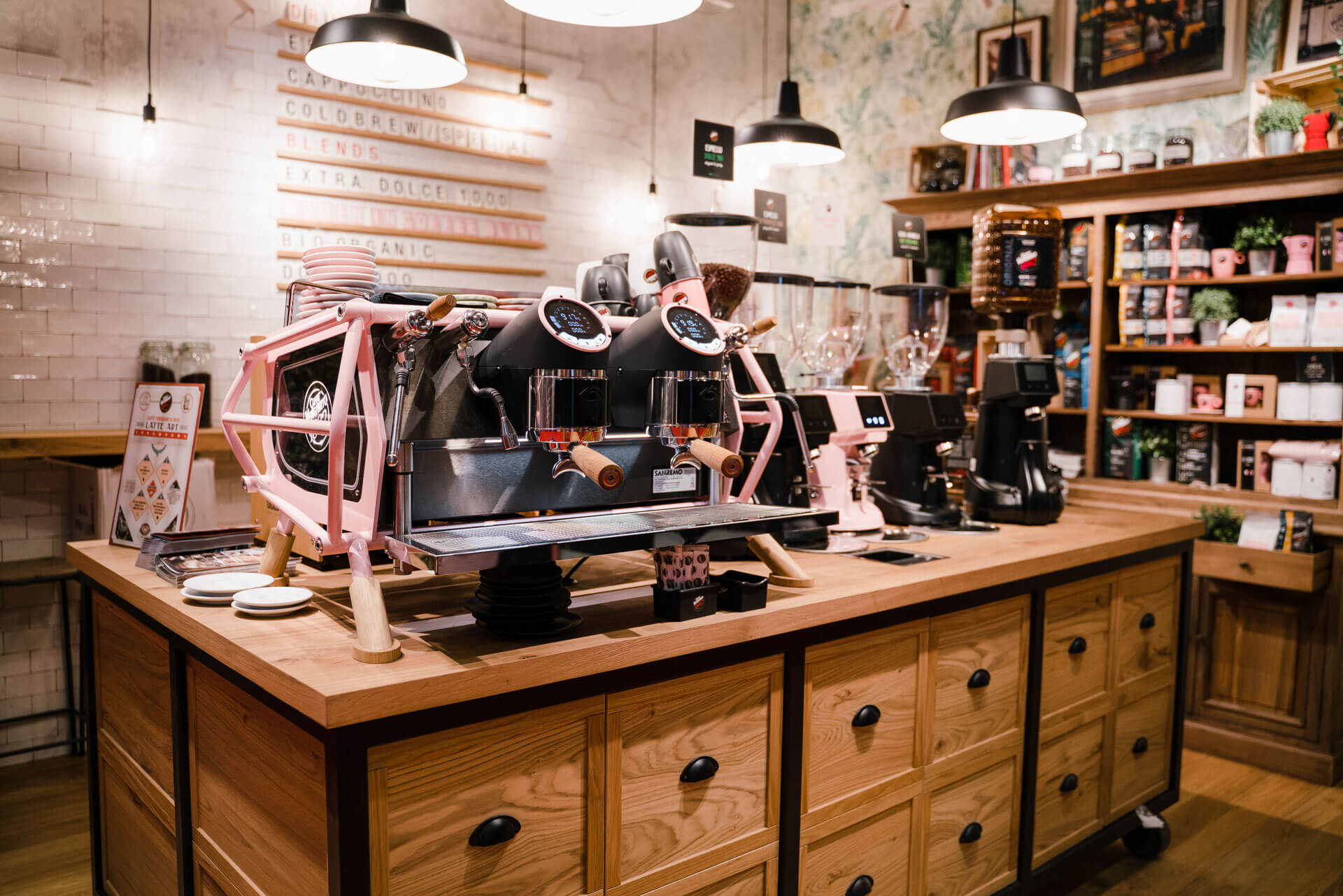
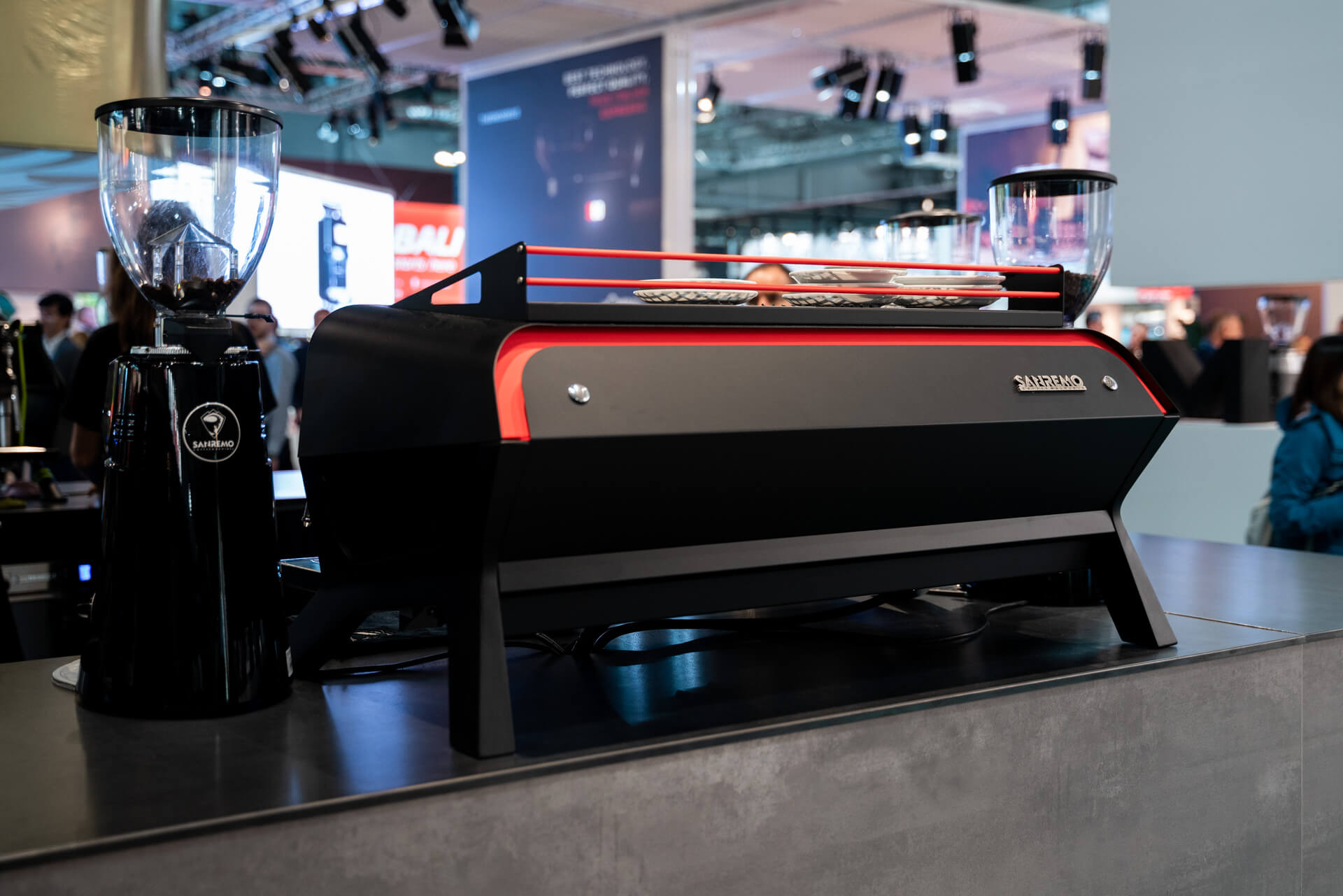
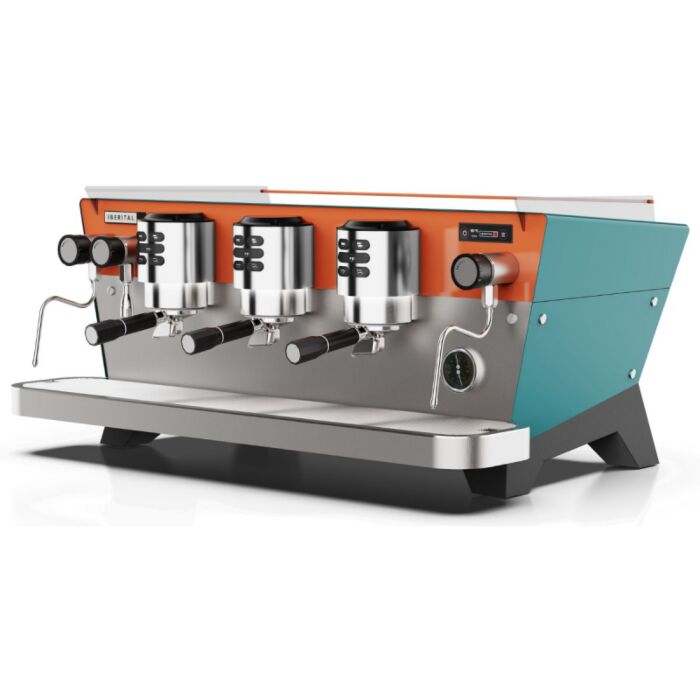
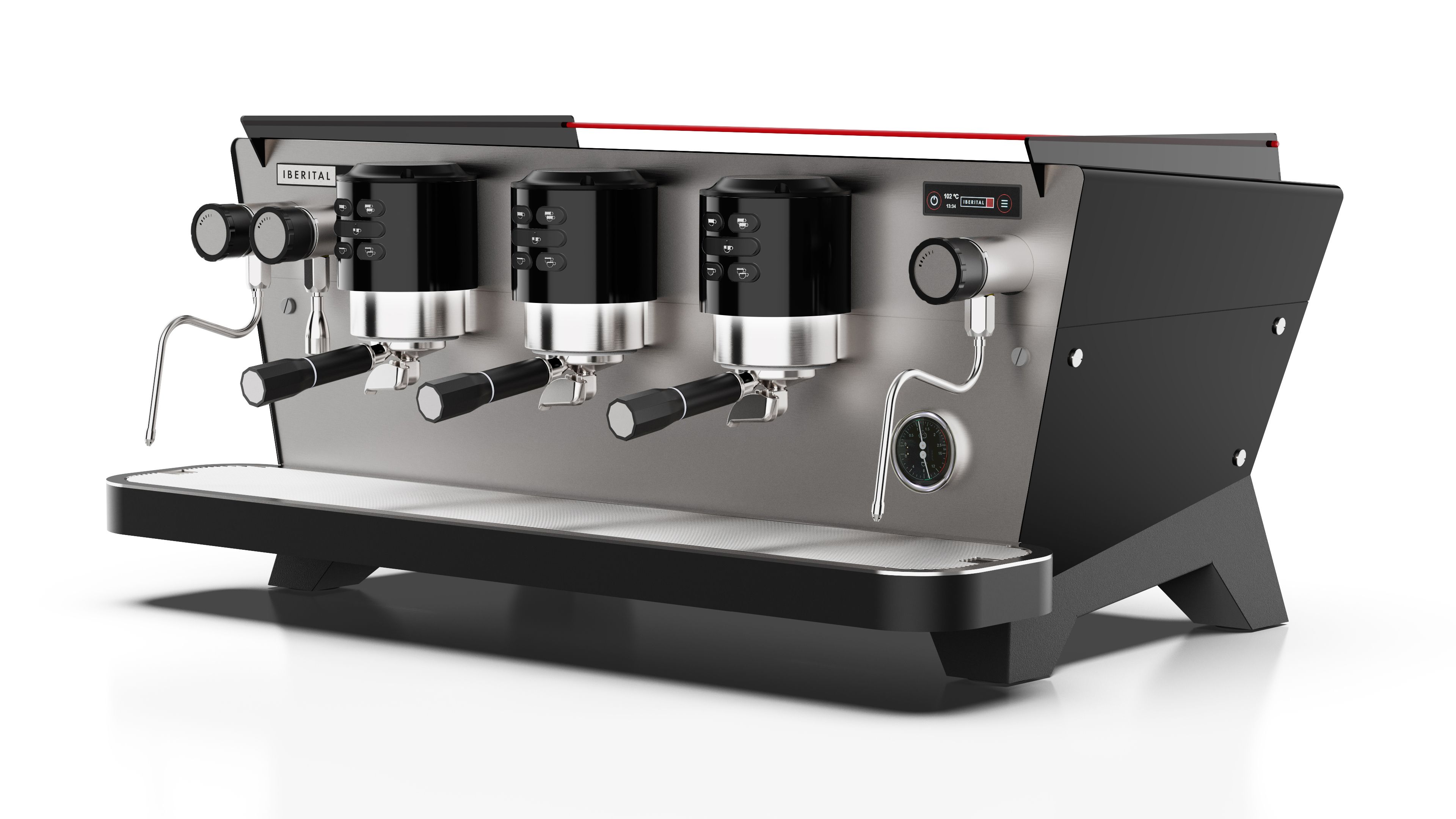
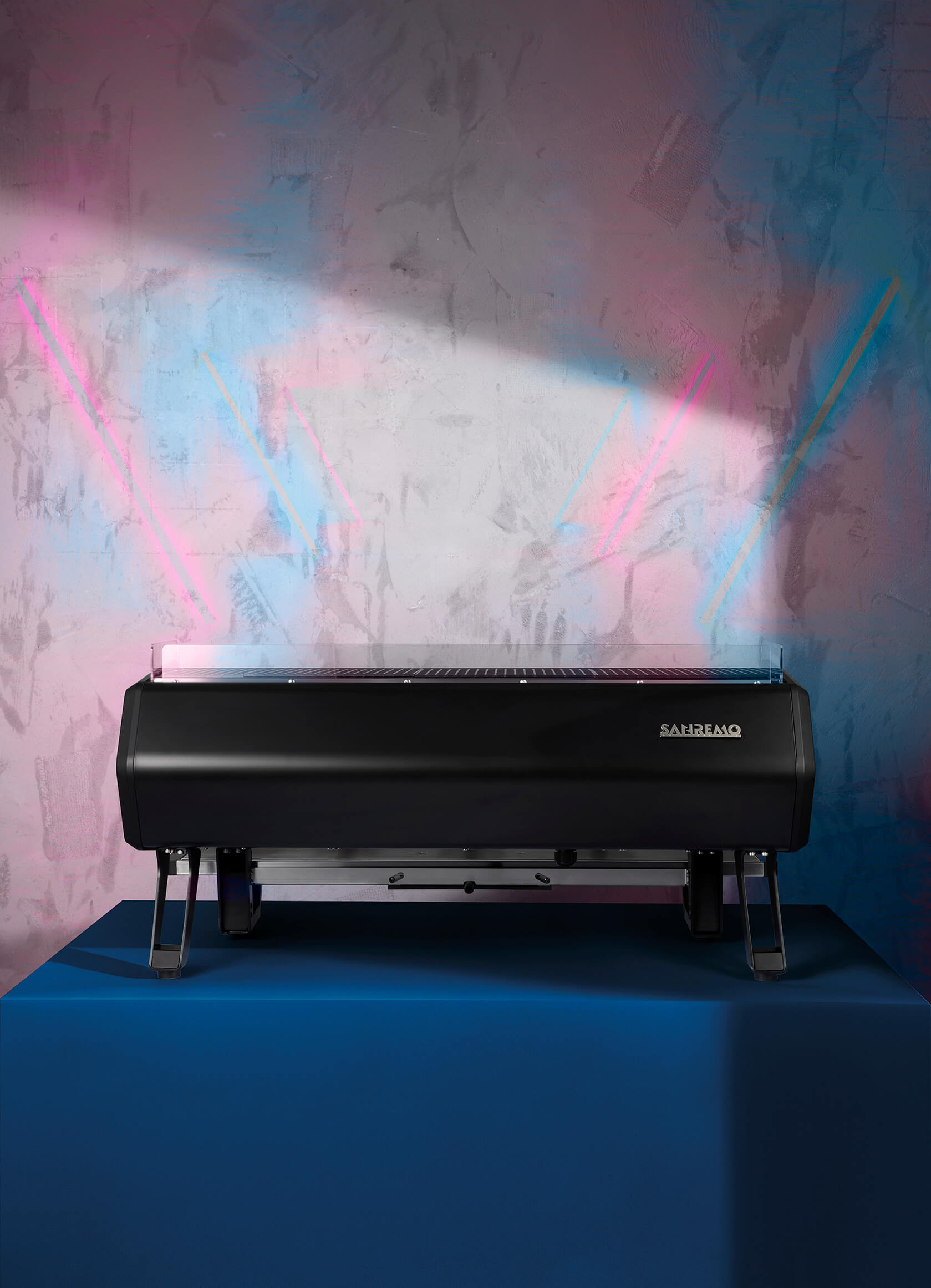
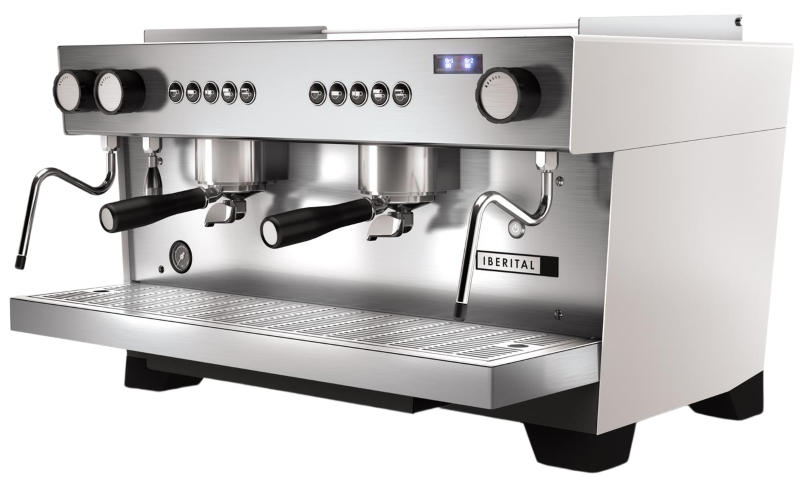
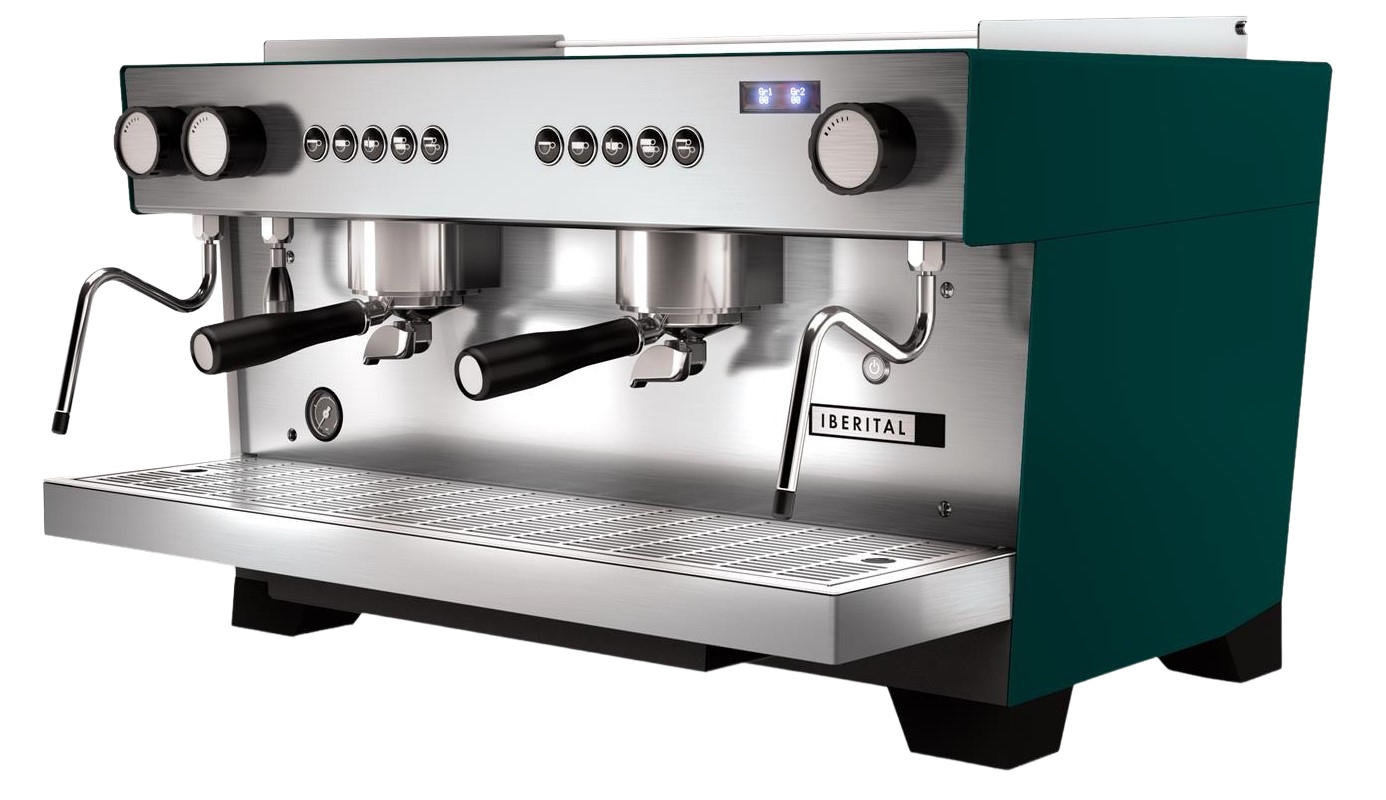
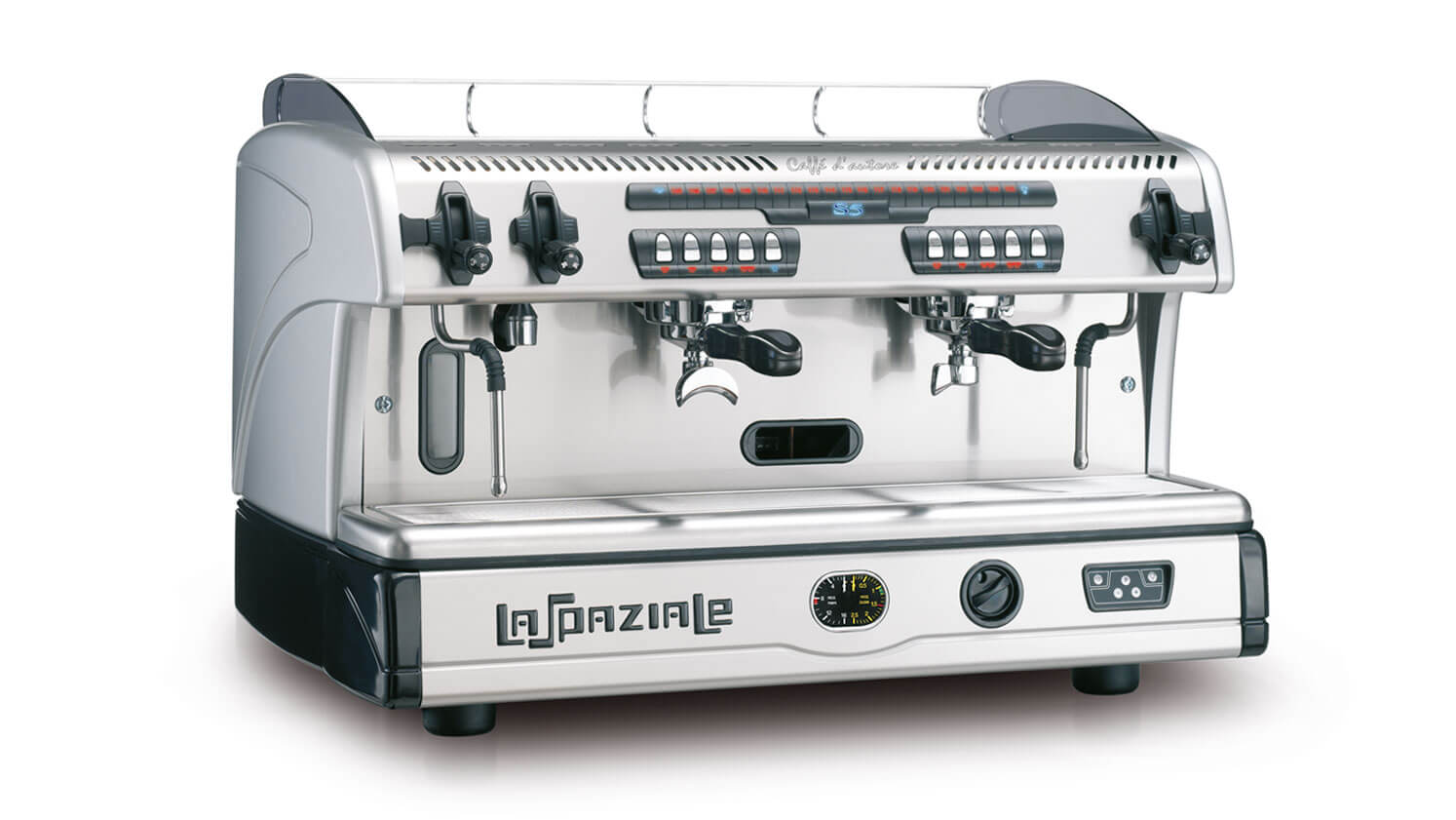
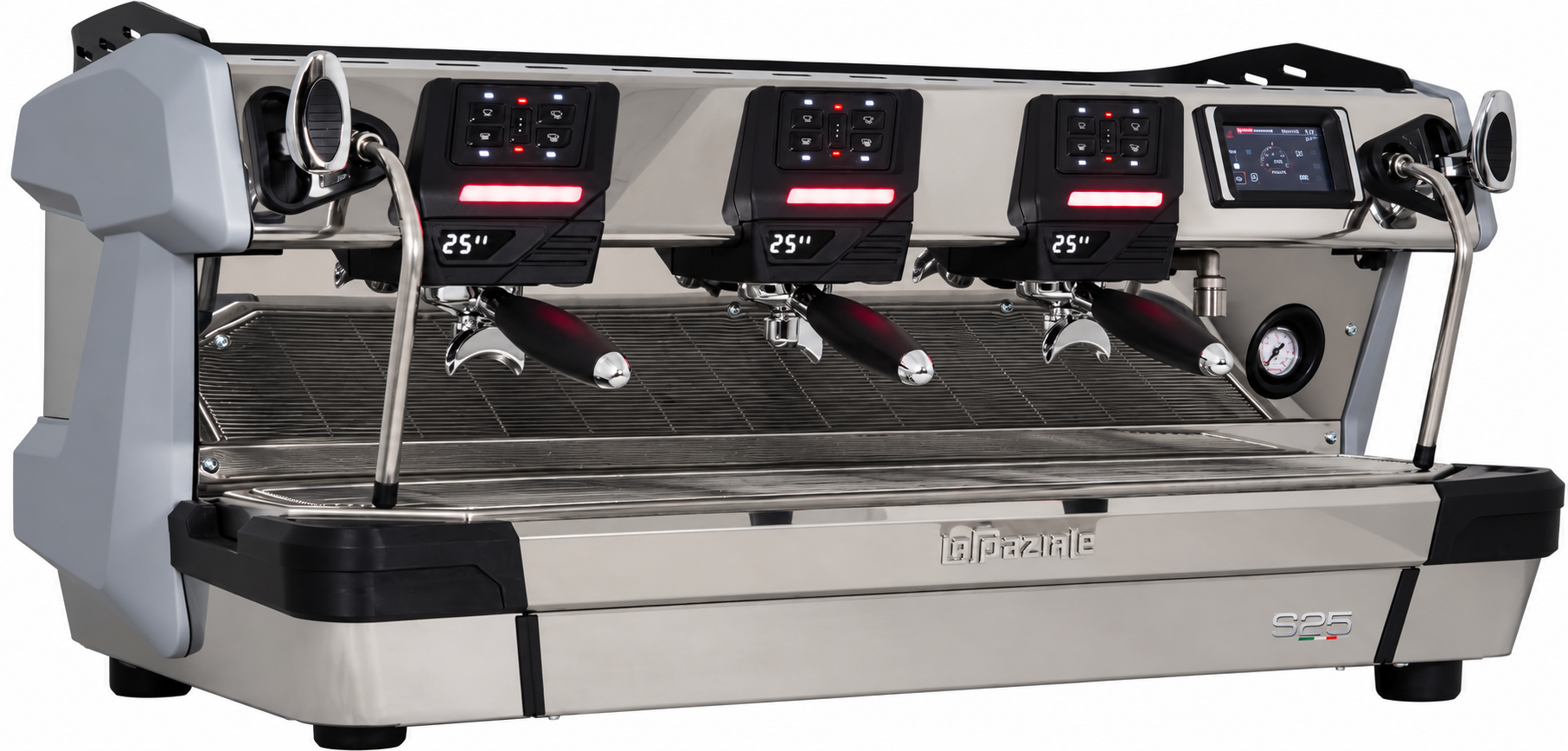
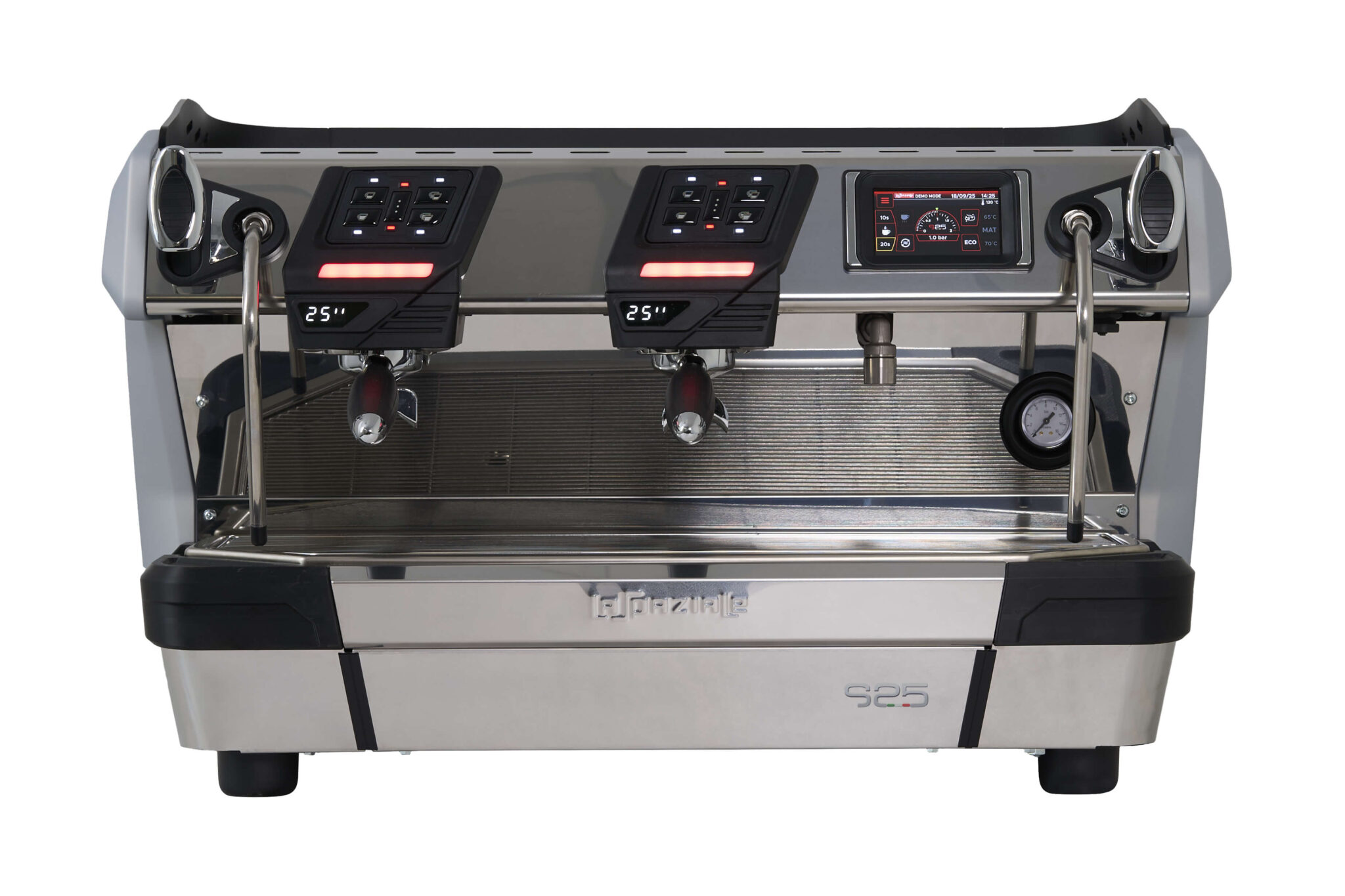
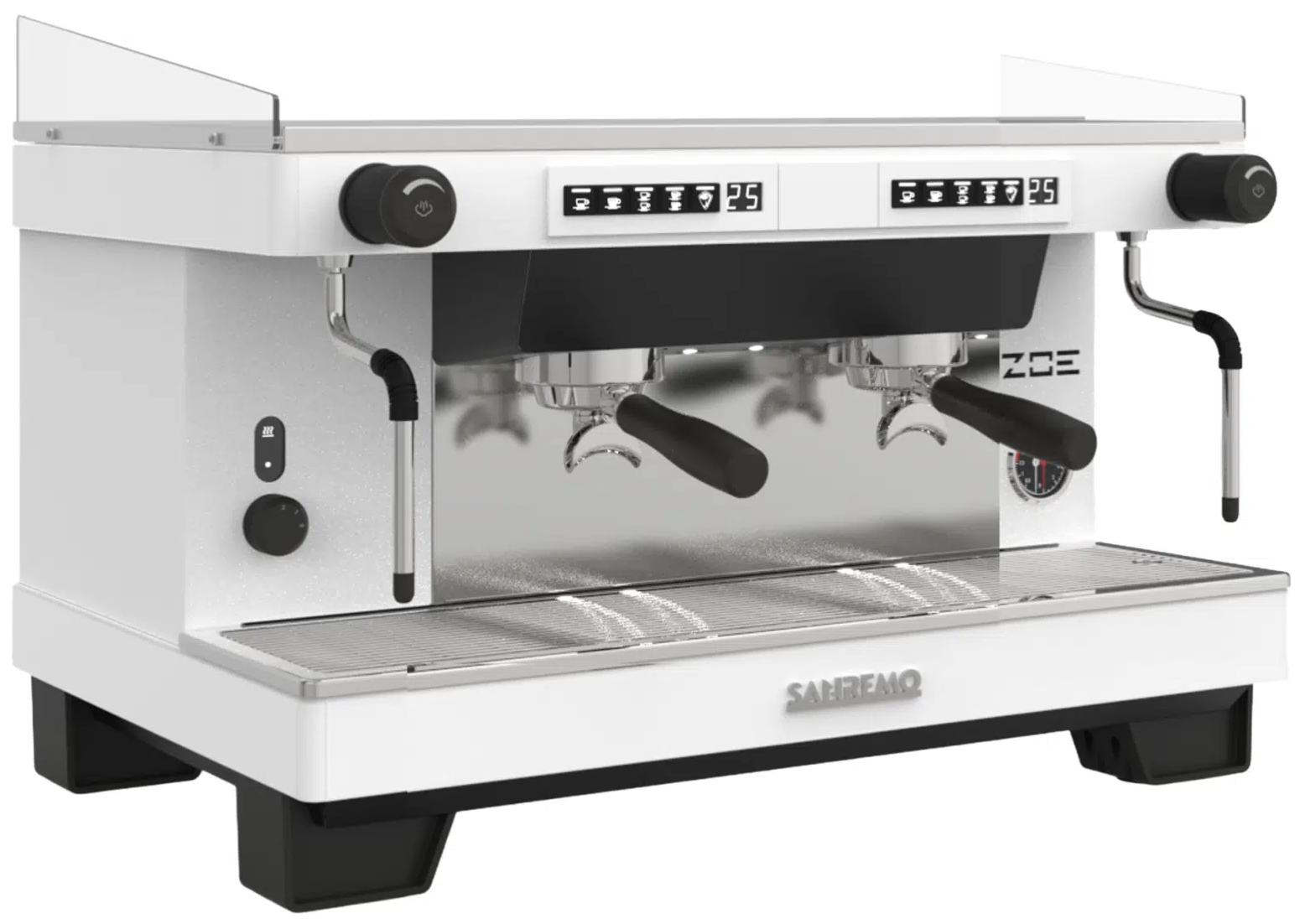
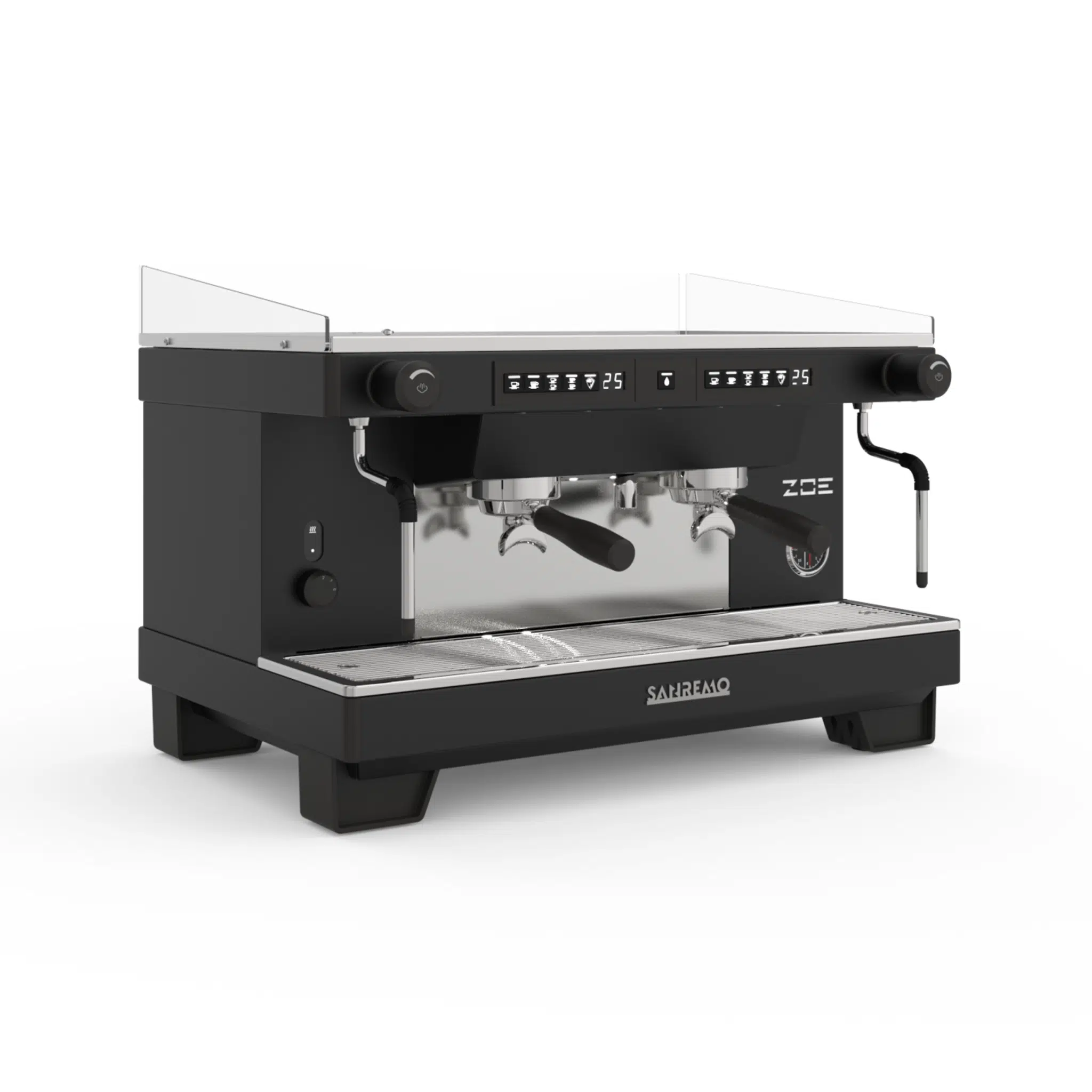
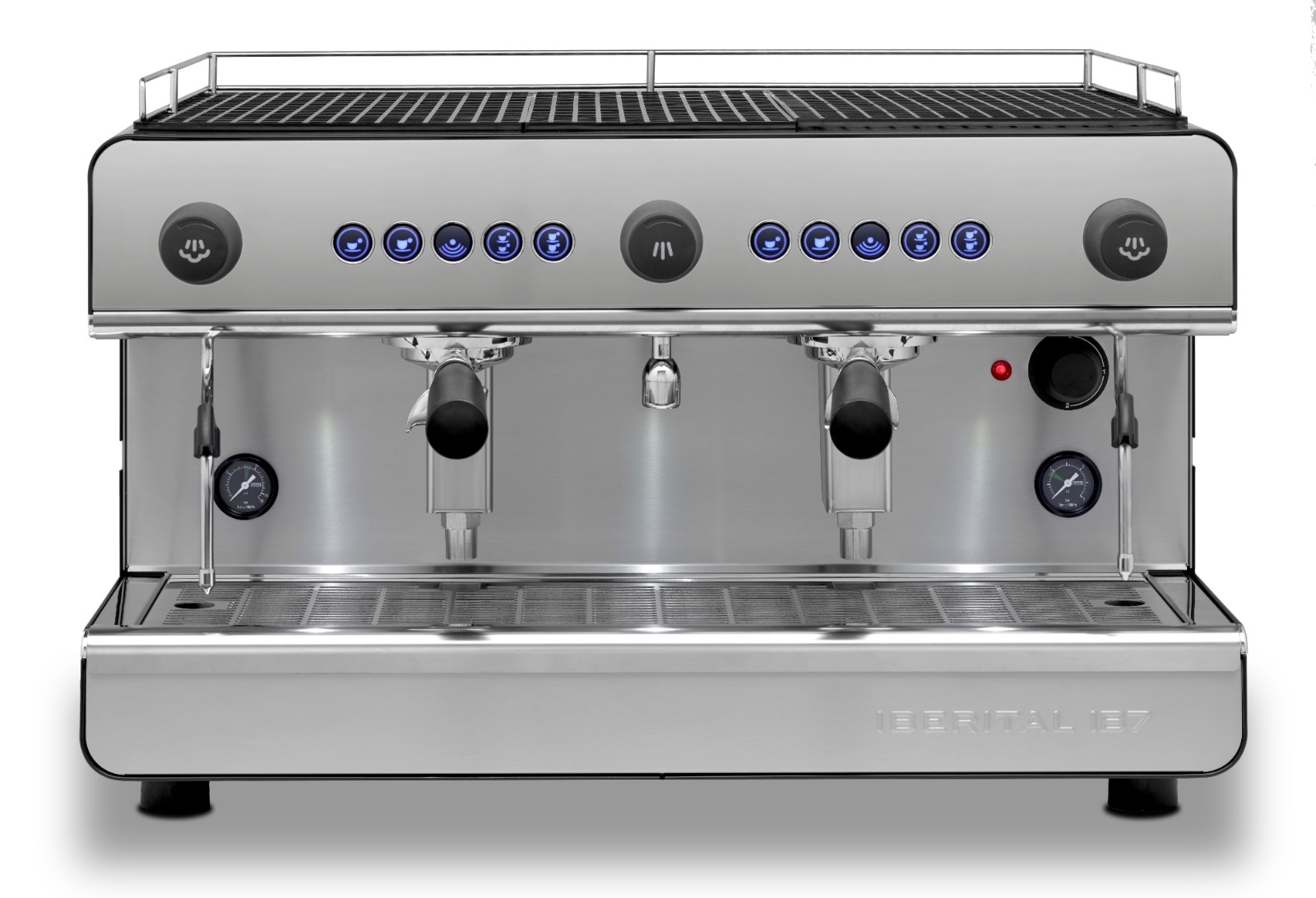
The appearance of your espresso machine plays a huge role in how customers perceive your coffee shop. Guests often see the machine before anything else, and a visually impressive setup immediately signals professionalism, quality and care. A well-designed espresso machine with clean lines, thoughtful lighting and a strong presence can elevate your entire bar area and create confidence in the drinks you serve. People really do “buy with their eyes,” and an attractive machine helps set the tone for your brand.
What your espresso machine must do
A good machine should maintain a stable brew temperature, hold heat during extraction, deliver pressure according to the profile, and produce repeatable shot volumes. It also needs strong steam power, reliable hot water, easy cleaning, energy efficiency, usable cup space, and simple access for servicing. All of these add up to consistency and smooth workflow during busy periods.
Temperature stability matters most
Most espresso is brewed between 88°C and 95°C, with each blend having an ideal sweet spot. Many machines allow temperature adjustment, but the real priority is stability — keeping that temperature constant throughout every shot. Heat-exchange systems, thermostats, and pressurestats are common ways machines manage this. Better control means better flavour.
The gold standard is a dual or multi boiler setup although simple heat exchangers can work fine if the barista does not draw too much water from the boiler and as long as the machine is maintained well and no scale is formed on the heat exchanger.
Dual boilers, group stability & PID control
Some machines use dual boilers: one for brewing and one for steam/hot water. Combined with a PID controller, this setup provides excellent temperature consistency. Machines that brew directly from the steam boiler tend to run too hot, which makes dialing in coffee far more difficult.
Advanced temperature systems
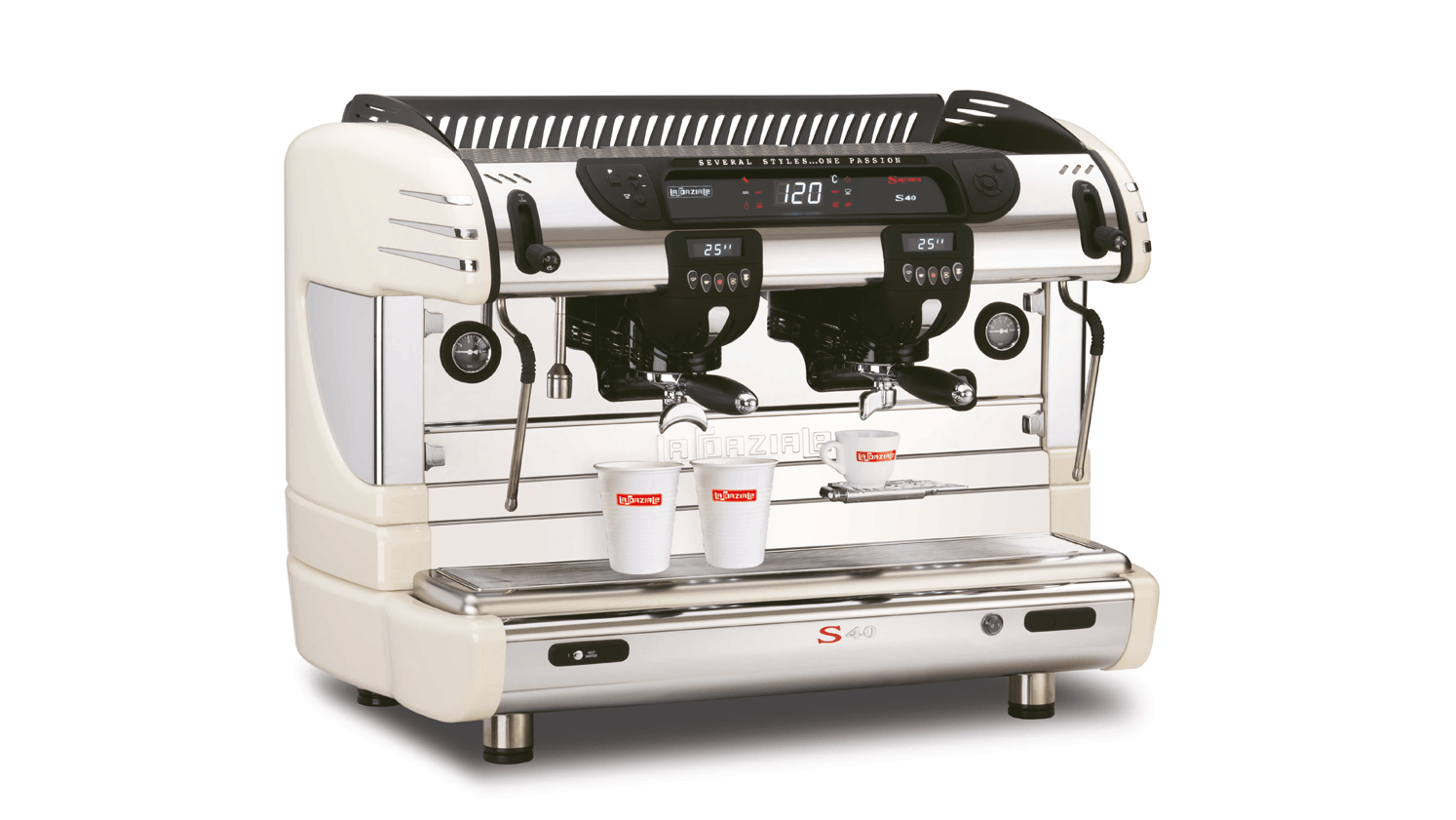
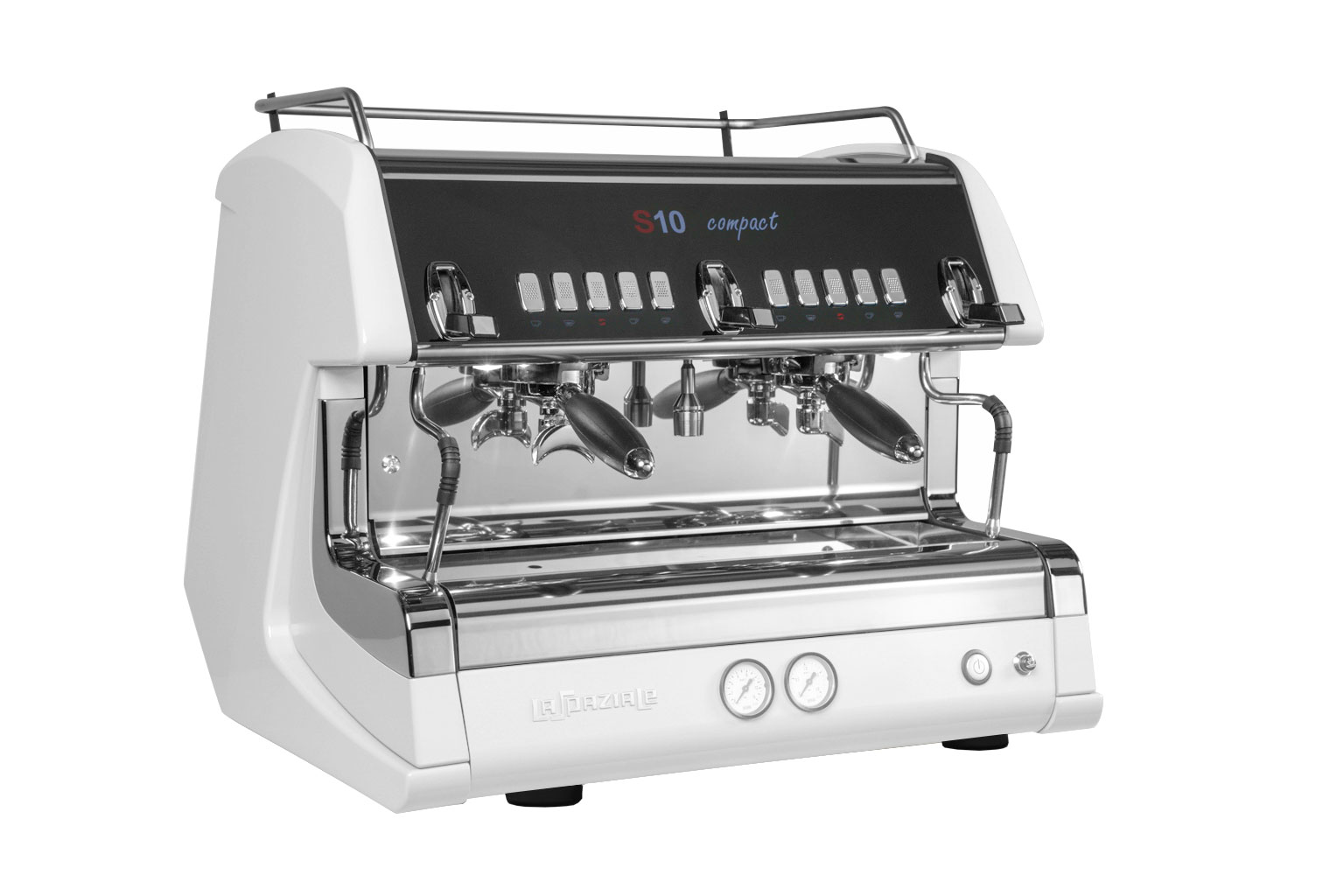
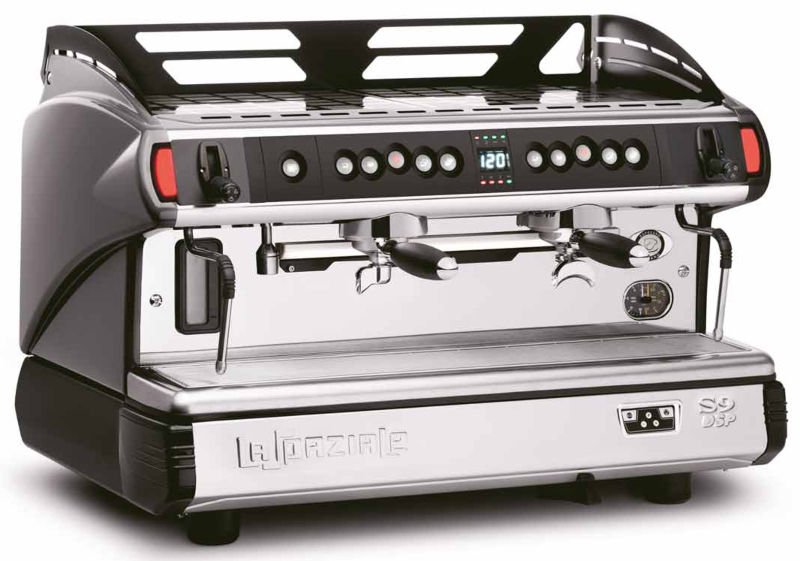
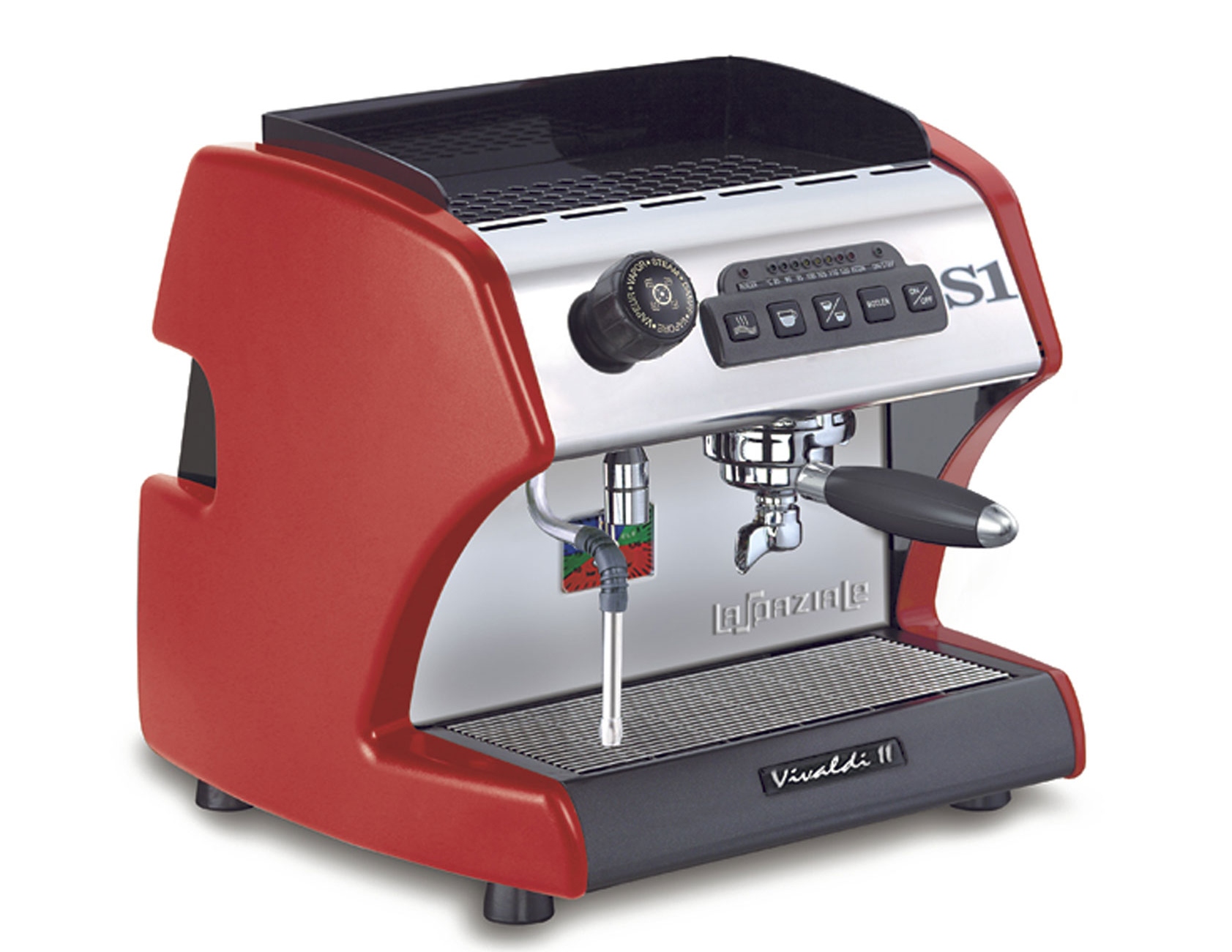
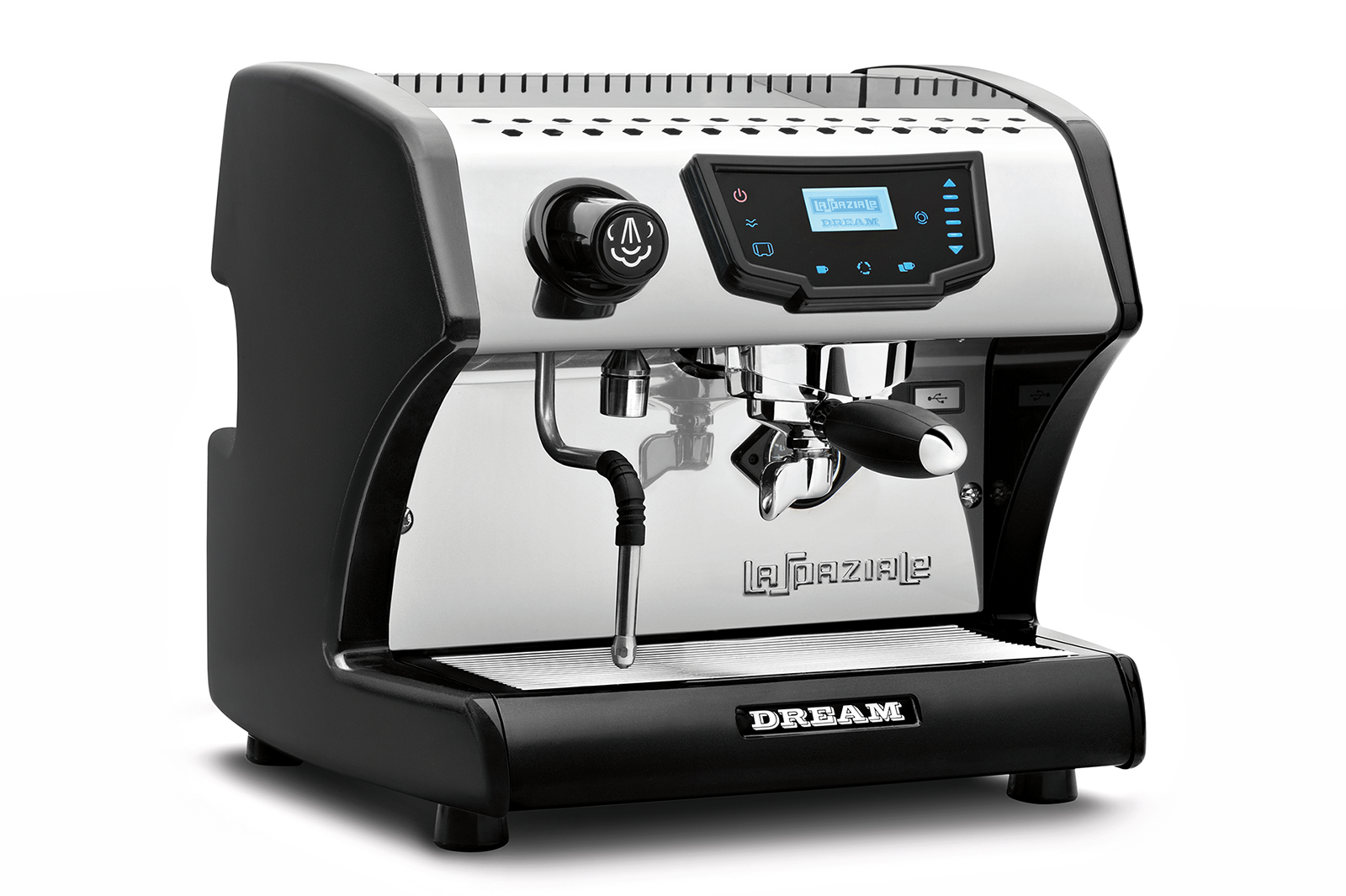
Some manufacturers use specialised systems to improve stability. For example, La Spaziale machines heat the group with steam and offer Independent Temperature Control (ITC), which blends a precise amount of cool water into the brew water. This lets the barista fine-tune temperature without sacrificing steam strength — ideal for busy cafés.
Dual boilers systems are usually very consistent especially if the boiler is saturated and well insulated (a so called jacket). They allow for the brew temperature to be programmed. A multi boiler system would allow individual temperatures per group to accomodate various brew temperatures per group.
Heat retention at the group head
Group heads must stay hot to ensure consistent extractions. Heavy, well-designed groups do this best. Avoid letting the portafilter go cold — a cold handle can pull heat from the system and change flavour. Consistency matters far more than experimentation for most commercial settings.
How many groups do you need?
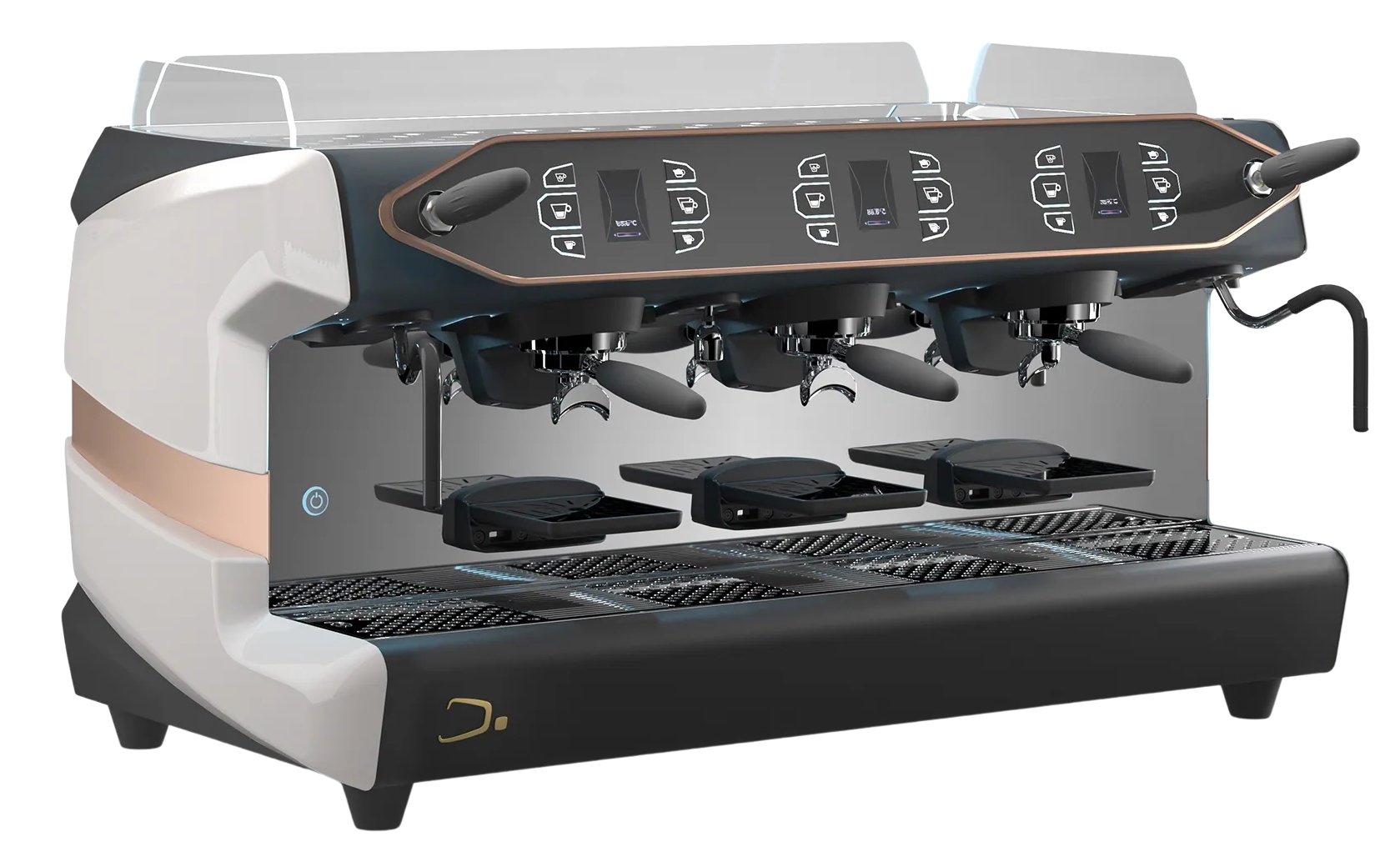
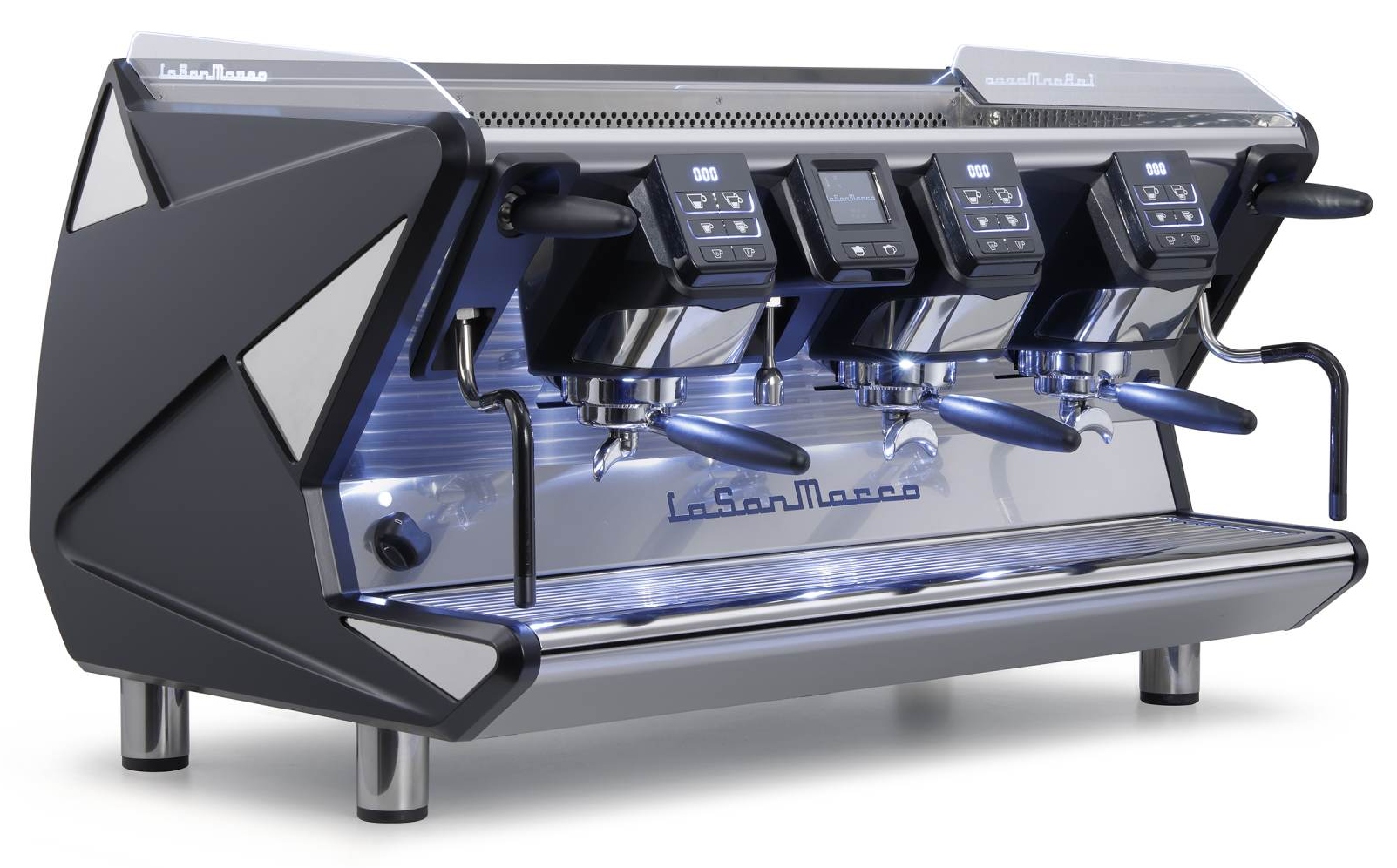
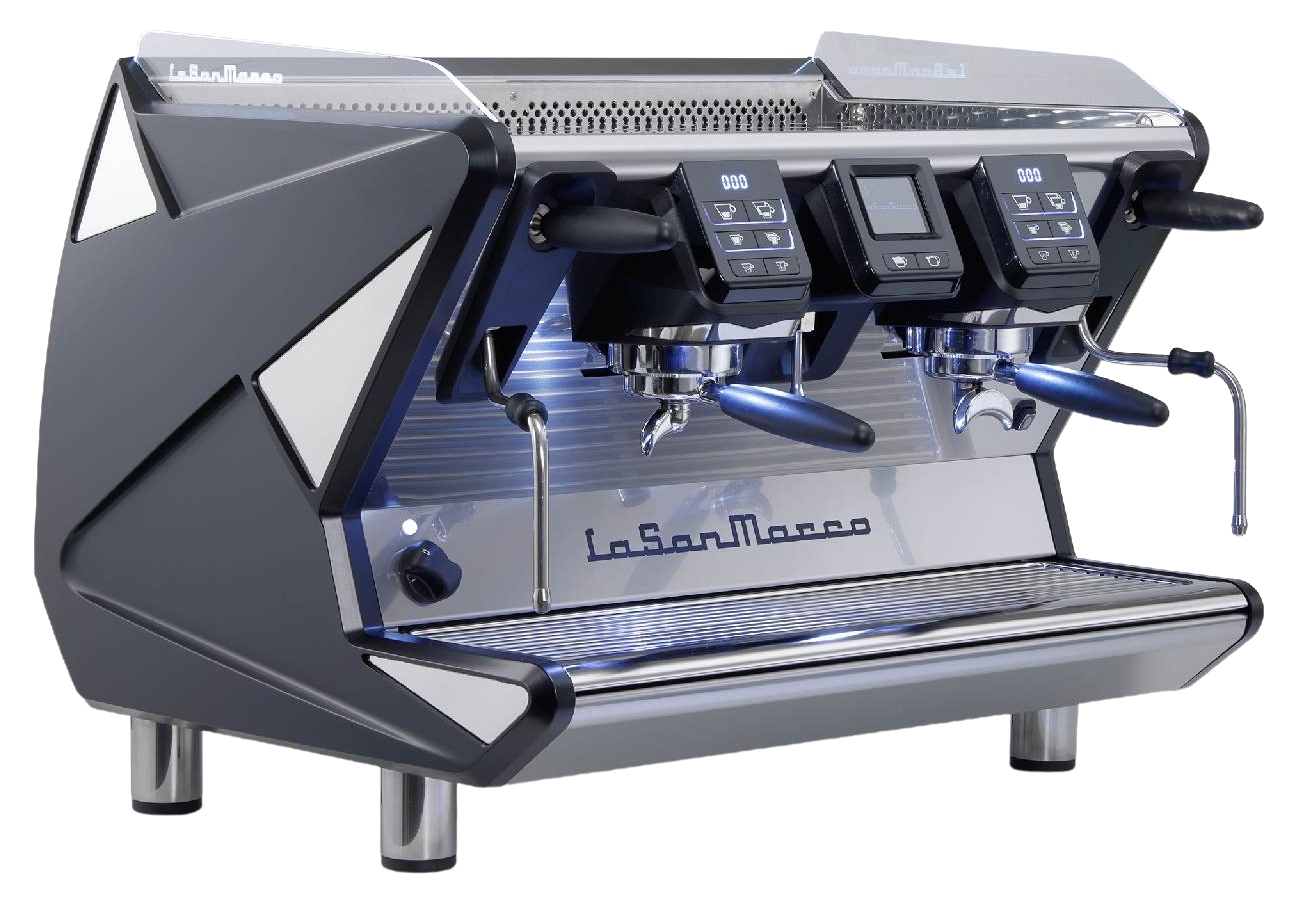
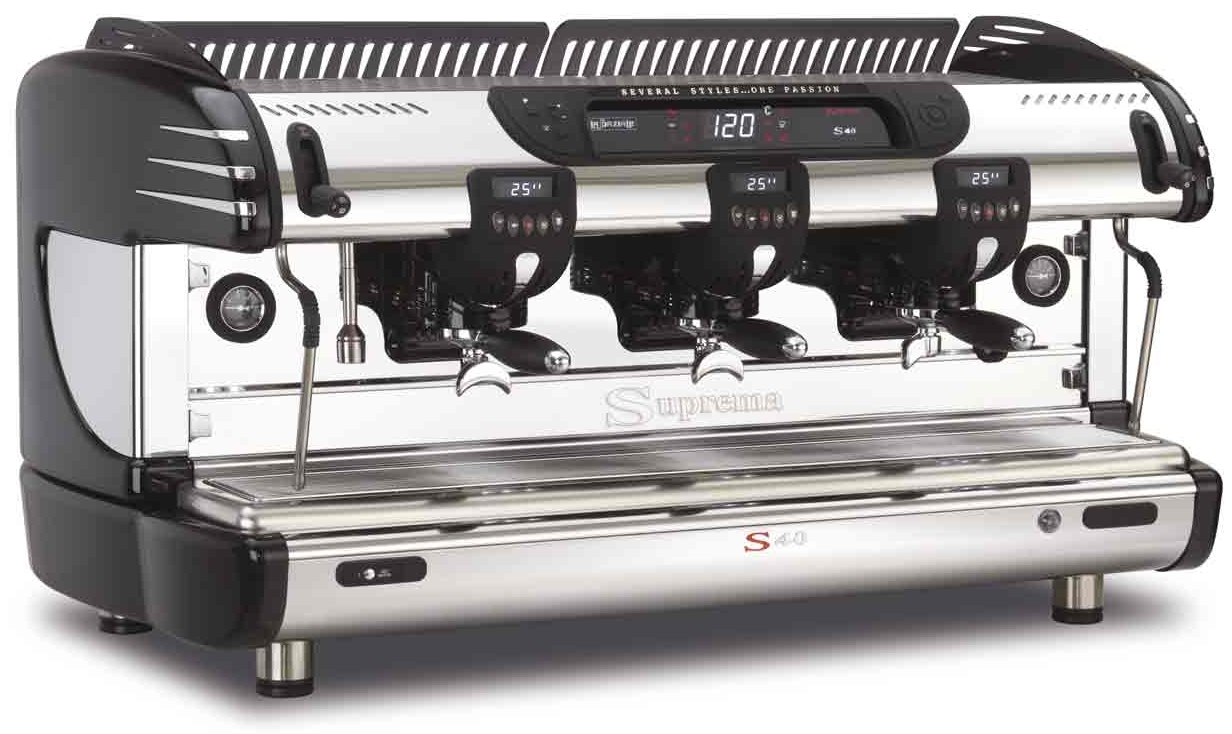
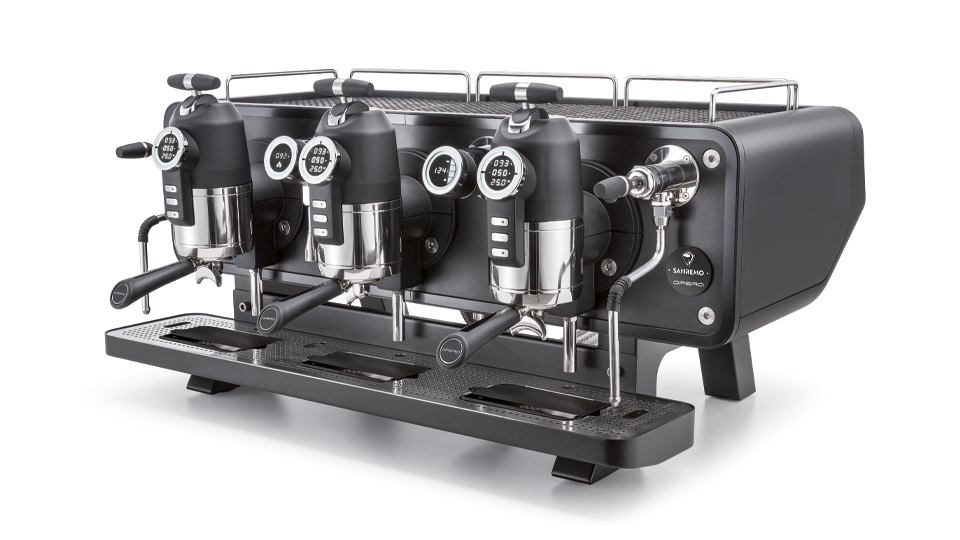
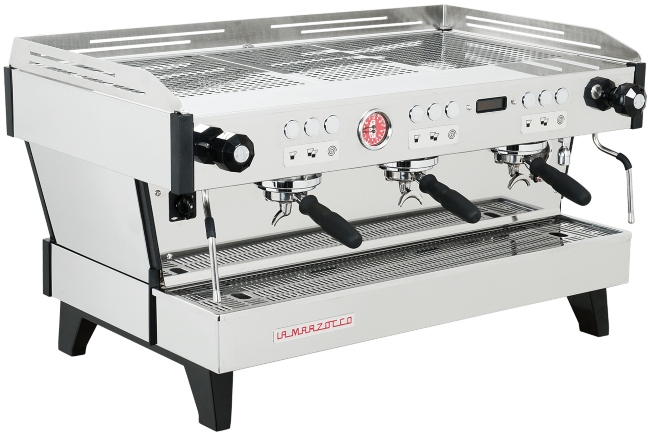
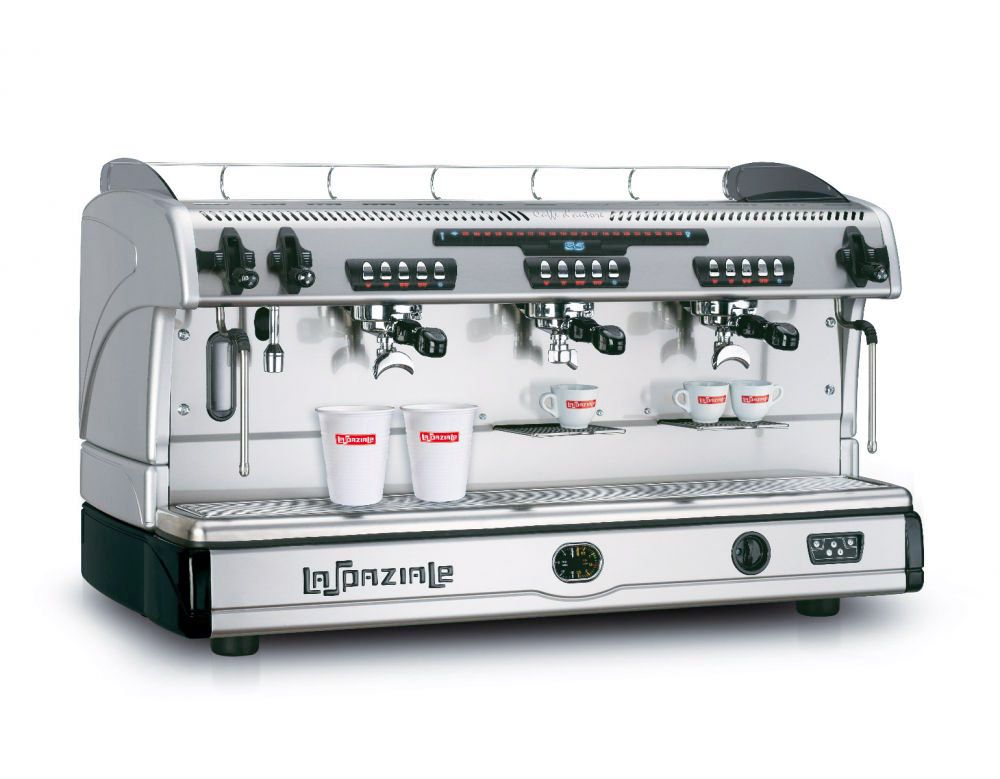
One group can produce two shots at once, two groups make four, and three groups make six. Choose based on peak moments rather than daily totals. A small office might be fine with a single group, but most cafés benefit from a two- or three-group machine to keep up during rushes. A three-group also tends to offer more steam reserve and stronger hot water output.
Compact machines
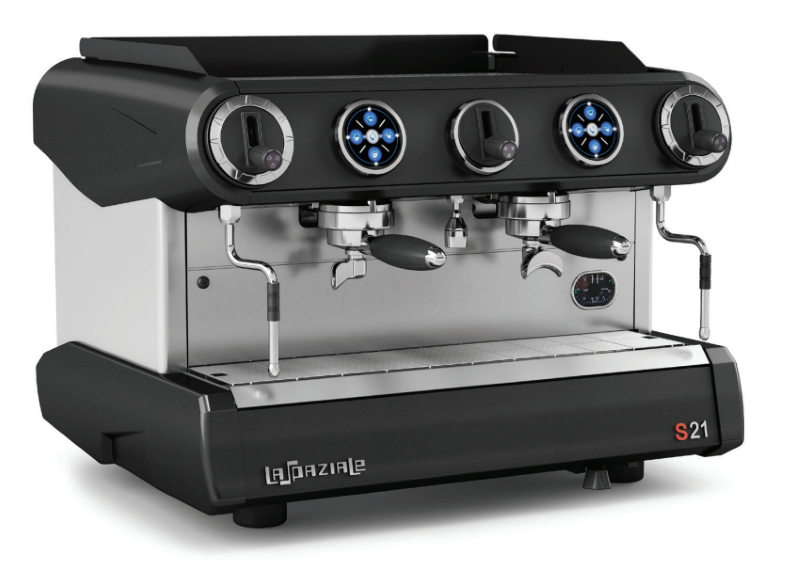
Compact machines are ideal when space or power is limited. They often run on a 13-amp plug and can pull espresso all day long. Their limitation is steaming capacity — they have smaller boilers and may run out of steam if you make many milk drinks quickly. If your menu is milk-heavy, a full-size machine is usually worth the space.
Power requirements
Single groups normally stay under 3 kW and can use a standard 13A plug. Some two-group machines do the same, while others require a 20A circuit. Larger three-group machines may need 20A single-phase or 32A three-phase. Check early — incorrect power is one of the most common installation delays.
Water, drainage & installation
You need a water feed with a shut-off valve within about one metre of the machine and space for a softener or filtration system. The drip tray usually drains into a waste pipe. If drainage isn’t available, you can drain into a container, but this isn’t recommended for busy shops.
Water treatment is essential
A proper water softener or filter prevents limescale, which is the number-one cause of espresso machine failures. Scale blocks pipes and valves, leading to breakdowns that require dismantling the machine to fix. Prevention is far cheaper: maintain your softener annually and choose the right system for your water hardness.
Semi-automatic, automatic & manual machines
Automatic machines use programmed buttons to deliver consistent shot volumes. Semi-automatic machines give the barista manual control to stop the extraction. They have fewer electronics but require more skill. Manual lever machines can make exceptional espresso and are very reliable, but they require training and consistent technique.
Steam performance: crucial for milk drinks
Most café drinks involve steamed milk, so steam quality is vital. Powerful steam helps introduce air quickly and creates a whirlpool for silky microfoam. Wand angle, tip design, and valve style all affect how easy it is to make consistent milk. Lever-style steam valves give instant full power and better ergonomics compared to dials.
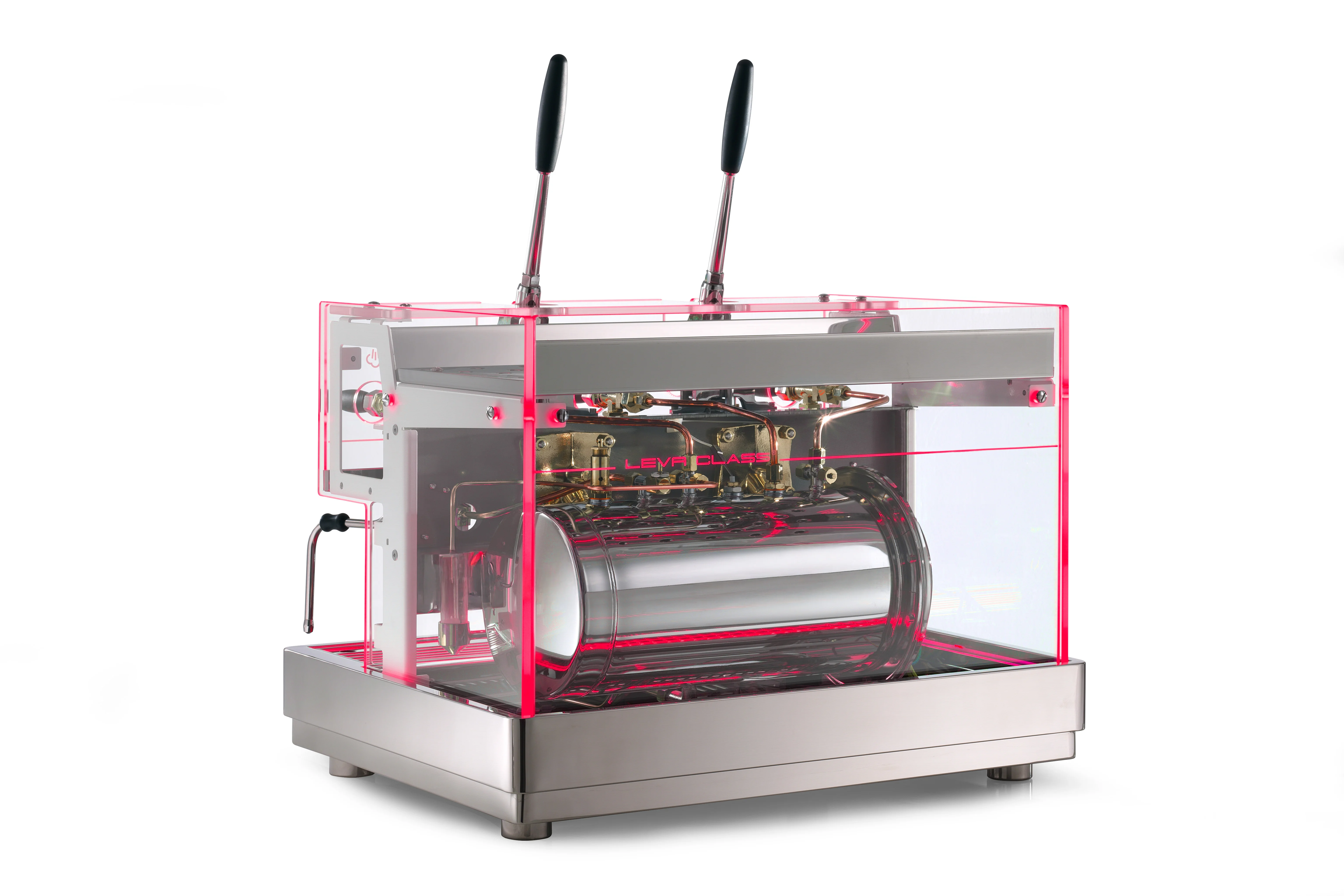
Spring lever espresso machines
Spring lever espresso machines operate using a traditional mechanical system where the barista pulls the lever down to compress a spring inside the group. When released, the spring pushes water through the coffee at a naturally declining pressure curve. Before the spring engages, the puck is gently saturated through manual preinfusion, allowing water to enter the coffee bed slowly and evenly. This soft and gradual rise in pressure reduces channeling and extracts flavours more delicately than a pump-driven machine. The result is a smoother, rounder espresso with less bitterness, enhanced sweetness and a very clean finish. Many baristas love levers because the pressure profile mimics how coffee naturally extracts, offering beautiful consistency and a very forgiving workflow.
On-demand grinders & grind-by-weight technology
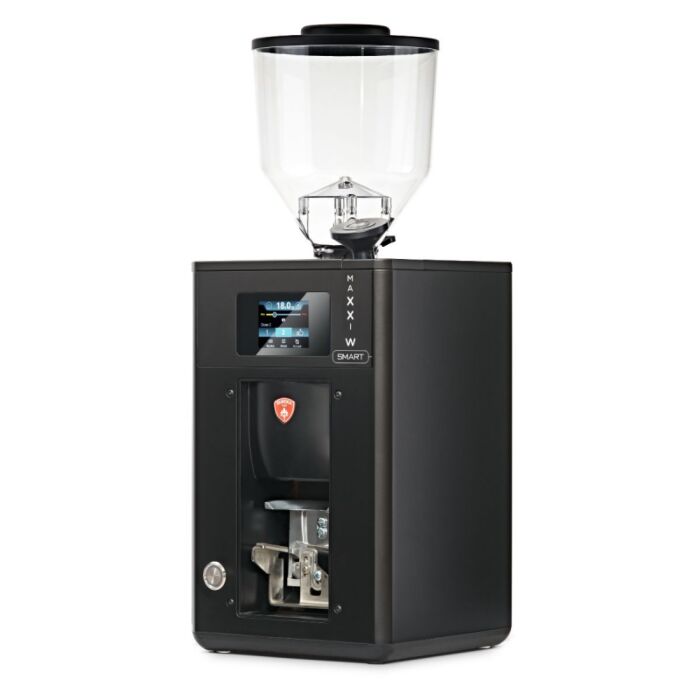
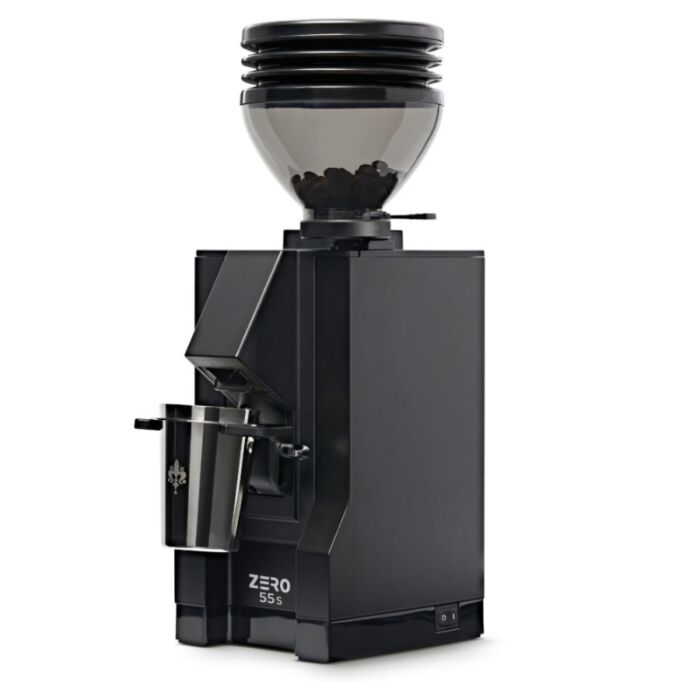
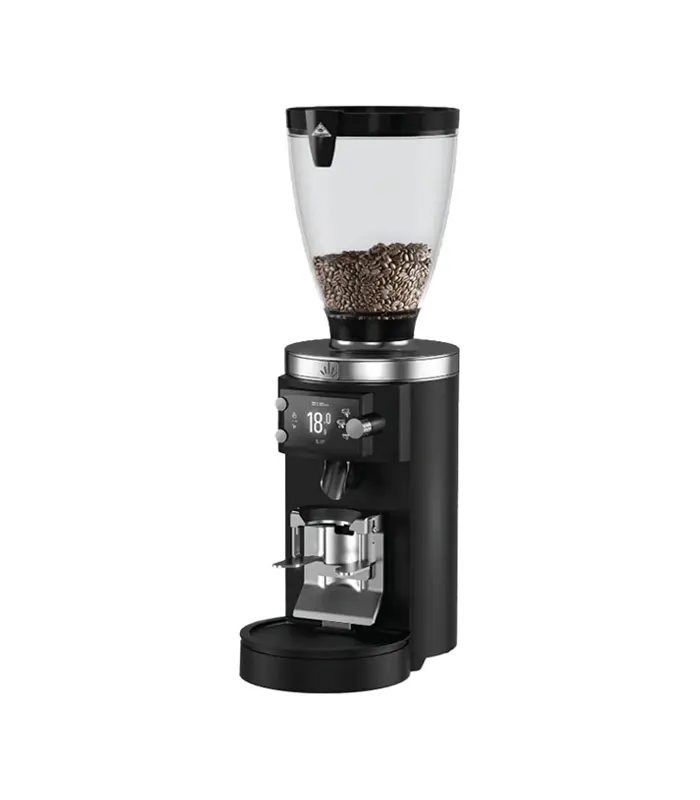
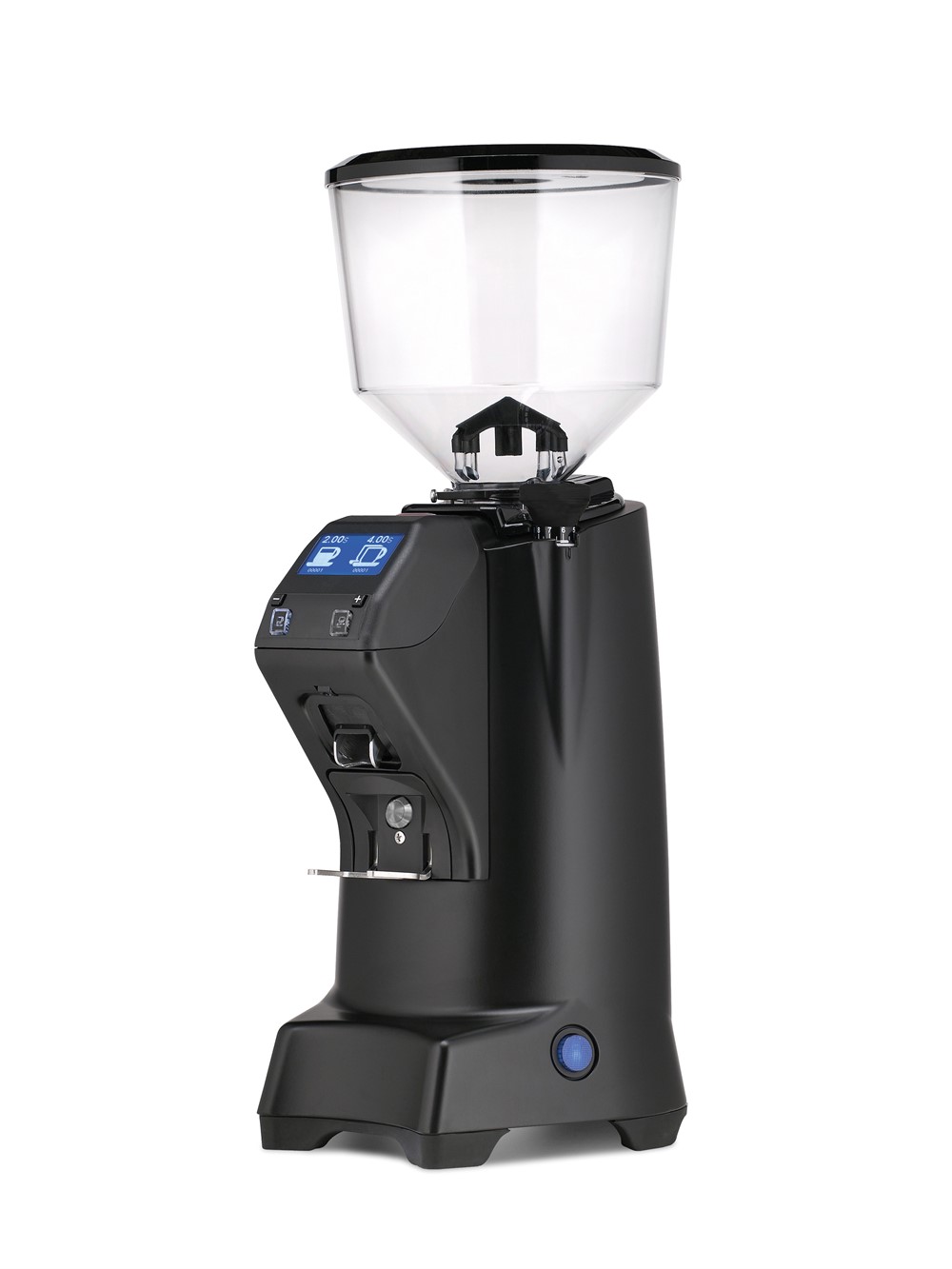
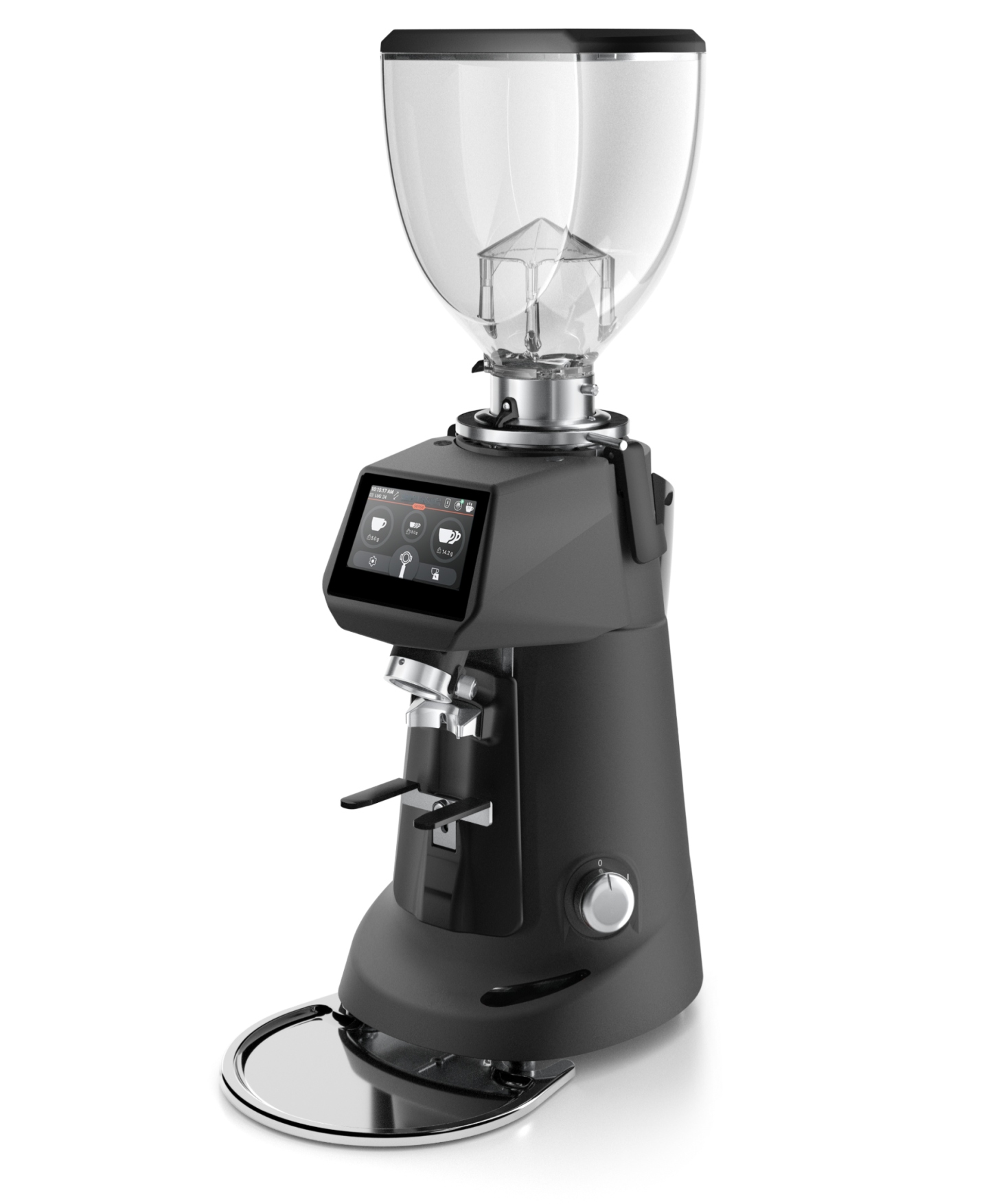
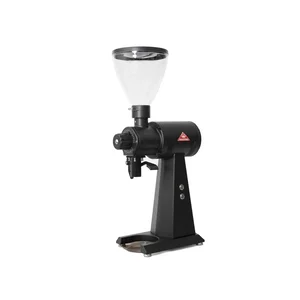
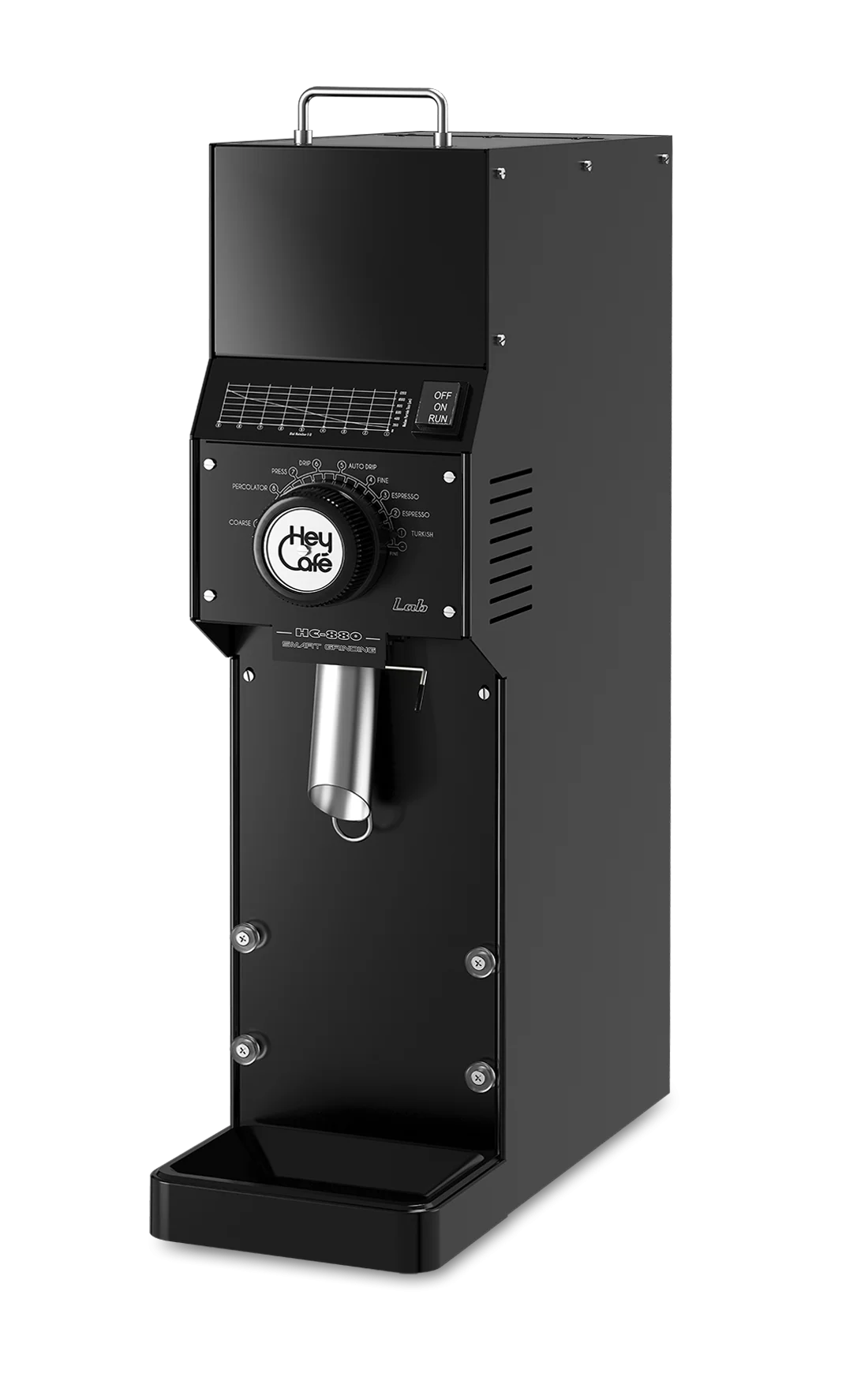
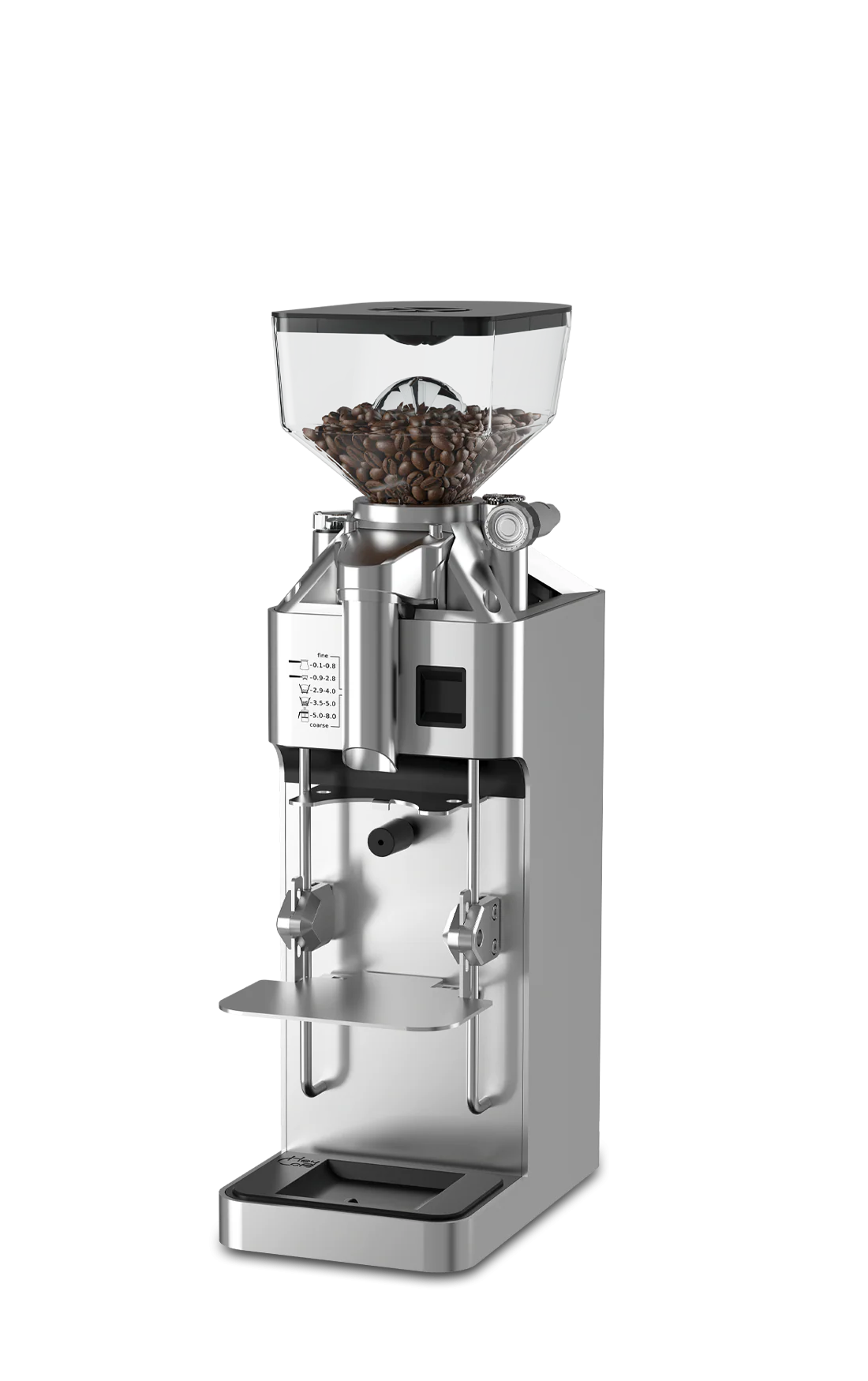
Modern espresso bars rely on on-demand grinders, which grind fresh for every shot rather than storing pre-ground coffee in a dosing chamber. This improves freshness and flavour significantly. We strongly prefer grinders that use grind-by-weight (GBW) technology. Instead of timing the grind, GBW measures the exact dose in grams as it grinds, producing astonishing consistency — even when the burrs heat up or beans age. It also makes adjustment easier: change the dose and the grinder automatically stops at the new target weight every time. For busy cafés, GBW saves waste, speeds up workflow and delivers much more consistent espresso.


.jpg)
 Request a meeting over a coffee!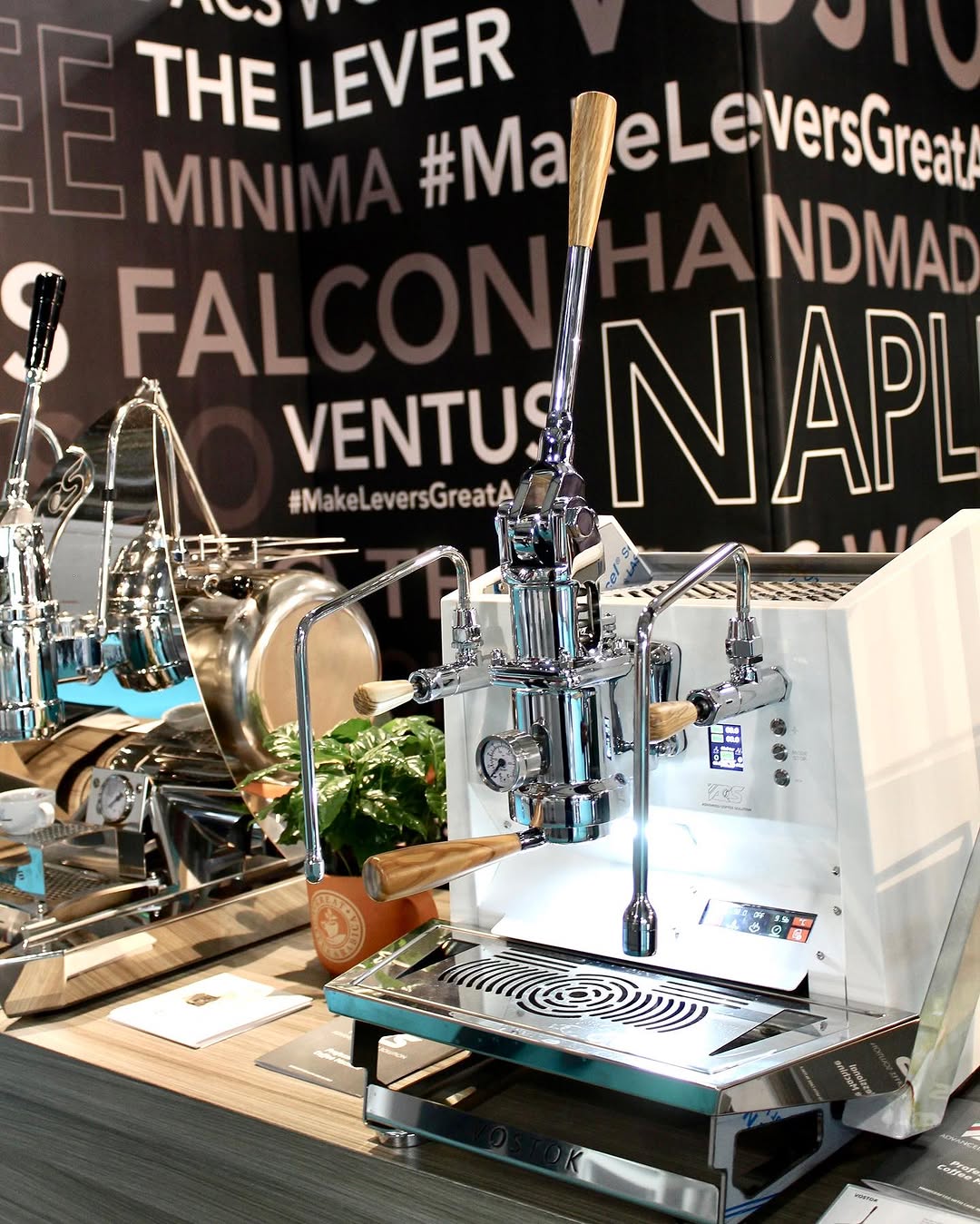
.jpg)
.webp)
.png)
.jpg)
.jpg)
.webp)